COMFORTage, a Horizon Europe initiative, develops an AI-driven digital ecosystem for predicting, monitoring, and personalizing interventions for older adults. Aligned with the European Health Data Space (EHDS), the project aims to deliver interoperable solutions across healthcare systems.
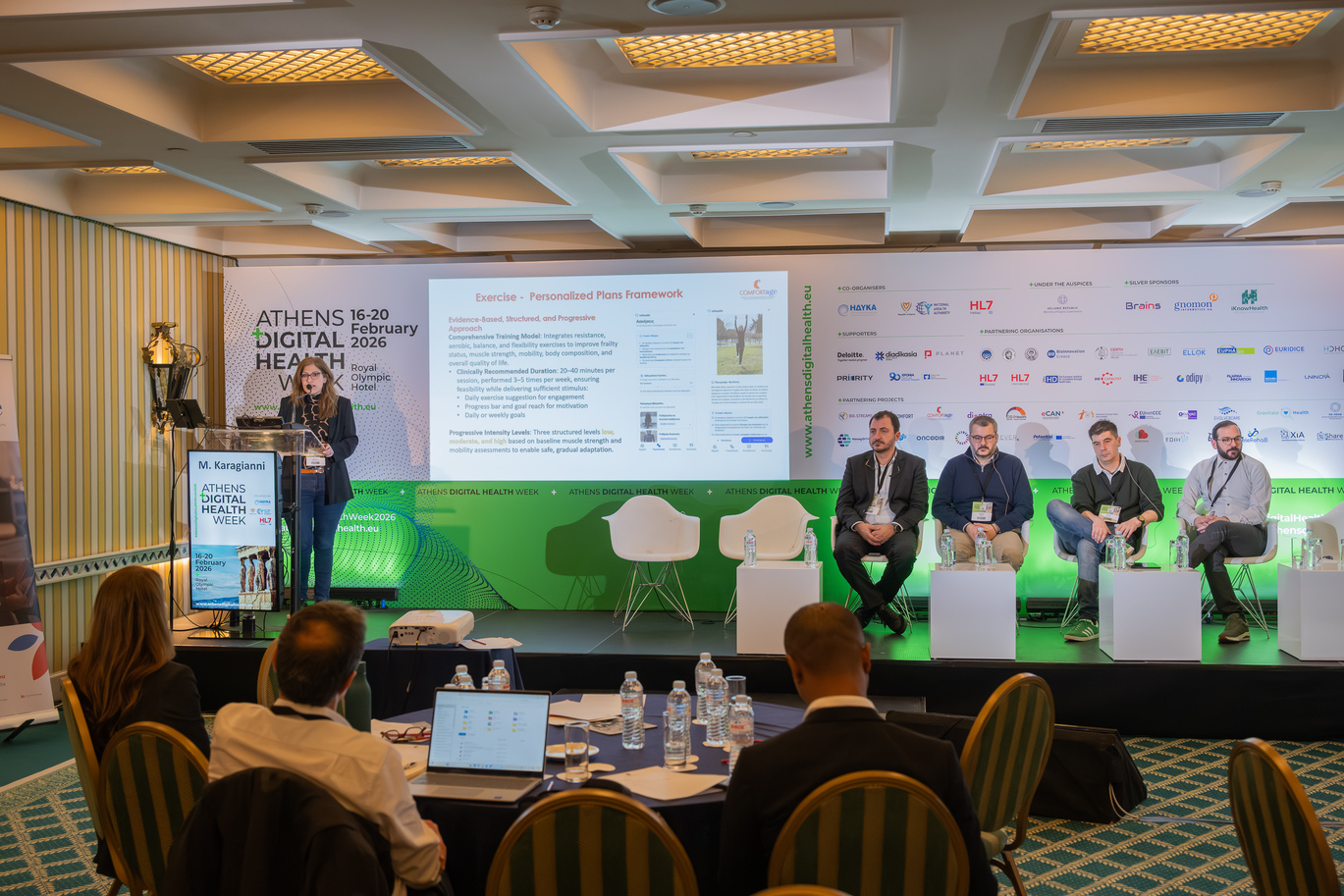
COMFORTage hosted two sessions at ADHW 2026, on how digital innovation can support healthier, more autonomous ageing and address frailty and dementia. Bringing together clinicians, researchers, innovators, and policymakers, discussions highlighted the role of integrated digital health ecosystems, data infrastructures, and real-world implementation. The sessions focused respectively on research and policy ecosystems for longevity and on COMFORTage technologies and infrastructures.
Session I: Research and innovation initiatives, policies and implementation of digital technologies targeting longevity
The first session examined how research initiatives, clinical innovation, and digital health ecosystems can accelerate the adoption of technologies that promote healthy ageing.
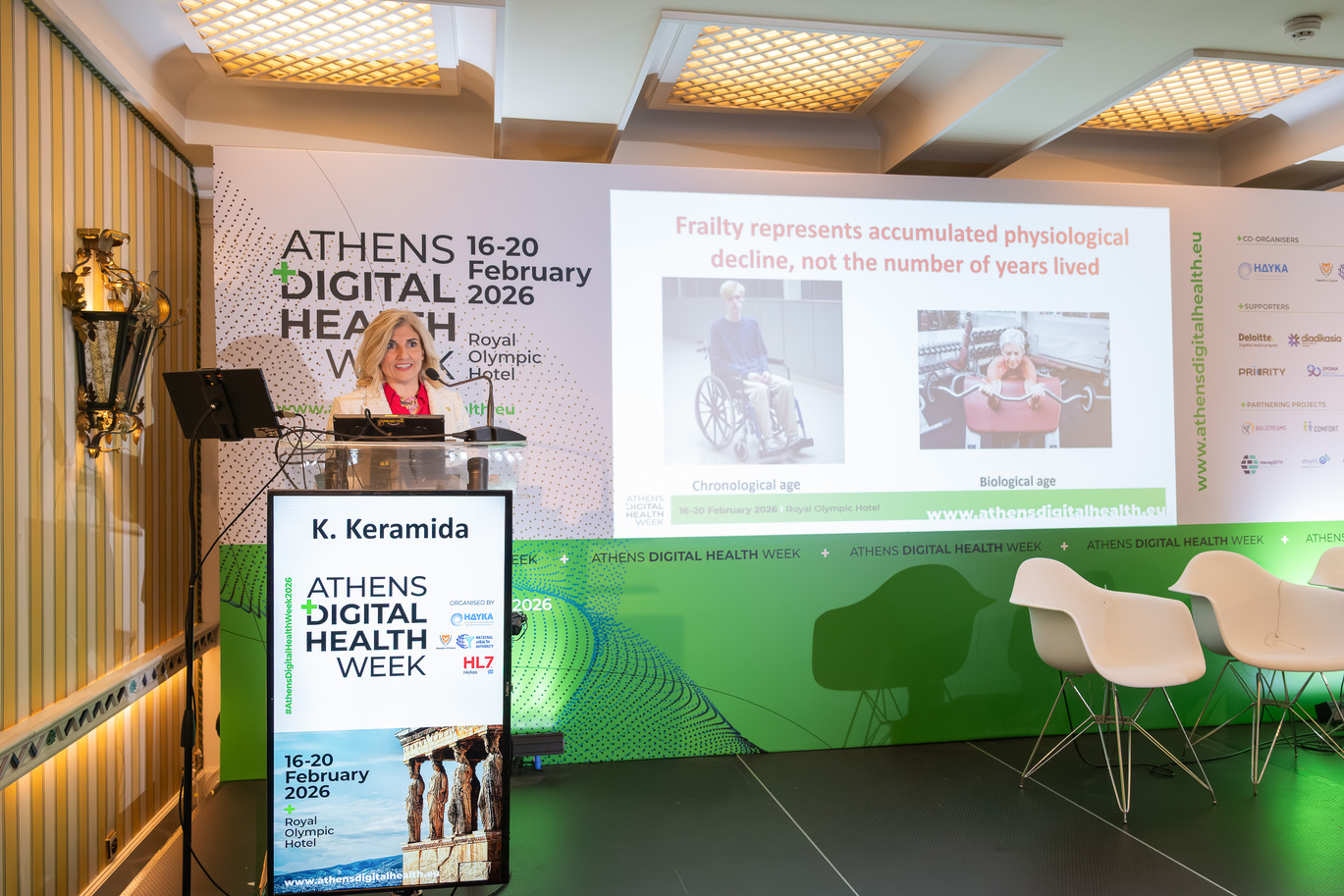
Prof. Sokratis Papageorgiou delivered an introductory speech on “Physical exercise as a means for the prevention of dementia.” He highlighted strong scientific evidence showing that regular physical activity can significantly reduce the risk of cognitive decline and dementia, emphasizing that prevention strategies must combine lifestyle interventions with early detection and clinical support. Dr. Kalliopi Keramida discussed contemporary challenges in frailty management, highlighting how digital health tools such as remote monitoring and AI-driven risk assessment systems can support earlier identification of frailty and improve patient outcomes when integrated into routine clinical practice. Mr. Dimitris Katehakis presented the role of Digital Innovation Hubs in strengthening the innovation ecosystem, explaining how these structures can connect research organizations, startups, and healthcare providers to accelerate the development and deployment of digital solutions for the silver economy. Prof. Panagiotis Bamidis and Despoina Mantziari introduced ThessAHALL, an established living lab in Thessaloniki, supporting experimentation and co-creation of digital health solutions with older adults, clinicians, and technology developers. Mr. Kostis Kaggelides presented KlikZois, a social telecare initiative focused on digital health services that empower older citizens to actively manage their health through accessible digital tools and services.
Need for Proactive Strategies for Healthy Longevity
Digital technologies are increasingly supporting healthy ageing and preventing cognitive and physical decline. Regular physical activity is a key protective factor against dementia, strengthening resilience to cognitive deterioration and supporting memory and brain health. Digital tools can monitor activity, support memory training, and collect patient-reported outcomes (PROMs/PREMs), offering insights into prevention and wellbeing. Their integration into frailty management is important, as frailty is a dynamic condition shaped by biological, social, and environmental factors. Smartphone-based monitoring and wearables enable continuous assessment of mobility and function, providing richer real-world data than clinic visits while improving accessibility and adherence.
Building a holistic, digitally enabled healthcare ecosystem requires a framework addressing clinical, psychological, physiological, and technological dimensions. The panel highlighted the need for strong collaboration among research institutions, startups, SMEs, healthcare providers, and public authorities to translate innovation into practice. Digital Innovation Hubs and living labs, such as AUTH’s ThessAHALL, play a key role in testing and validating technologies with real users. However, regulatory complexity and procurement barriers slow implementation. Successful telecare and digital safety solutions for older adults illustrate the potential impact of user-friendly technologies integrated with healthcare systems. All panelists agreed that accelerating healthy longevity will require “a shift from reactive care to proactive,” digitally supported prevention strategies.
Session II: Digital innovations Tackling Dementia and Frailty in the old age
The second session focused on the technological ecosystem being developed within COMFORTage, presenting the project’s architecture, pilots, and digital solutions targeting dementia and frailty.
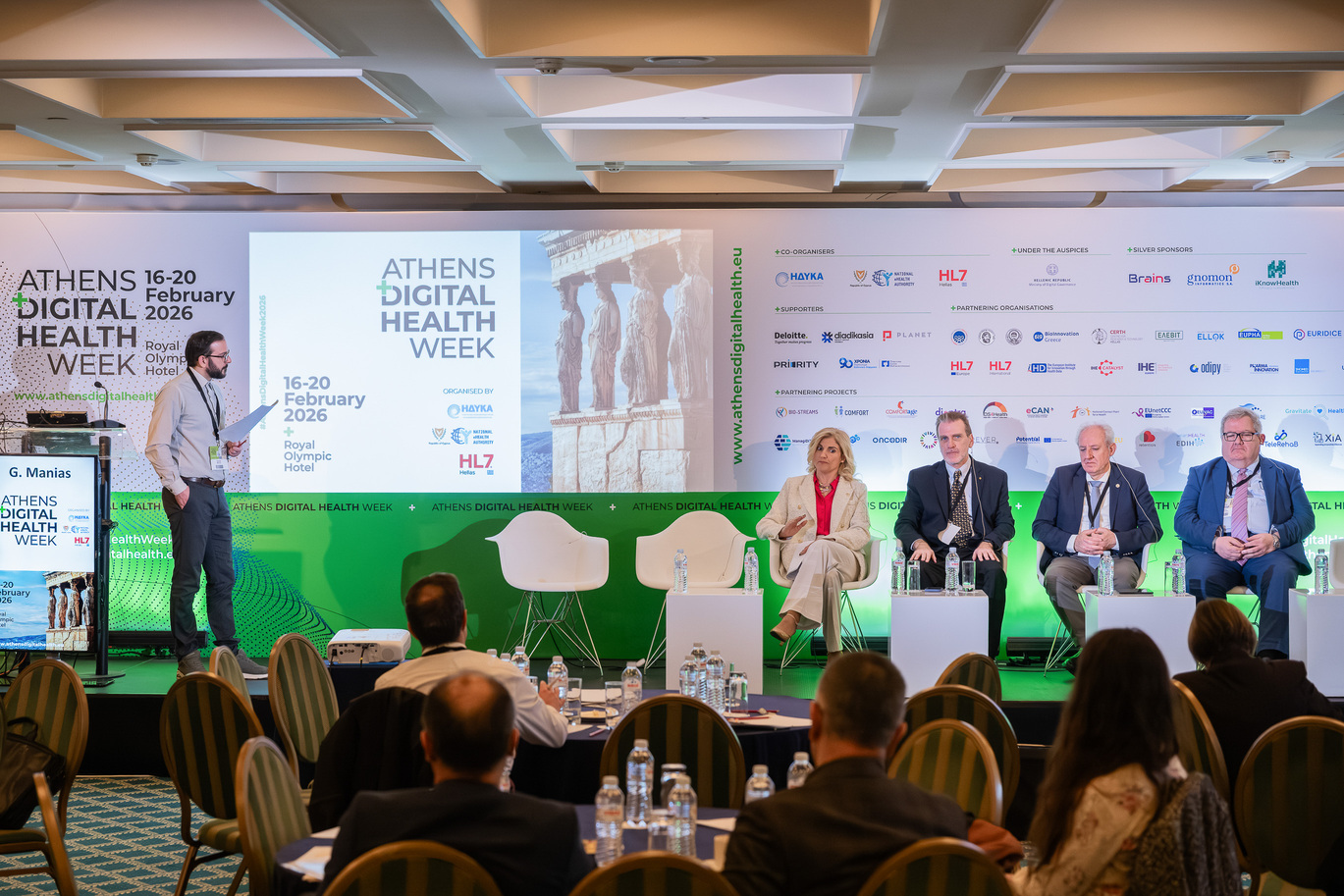
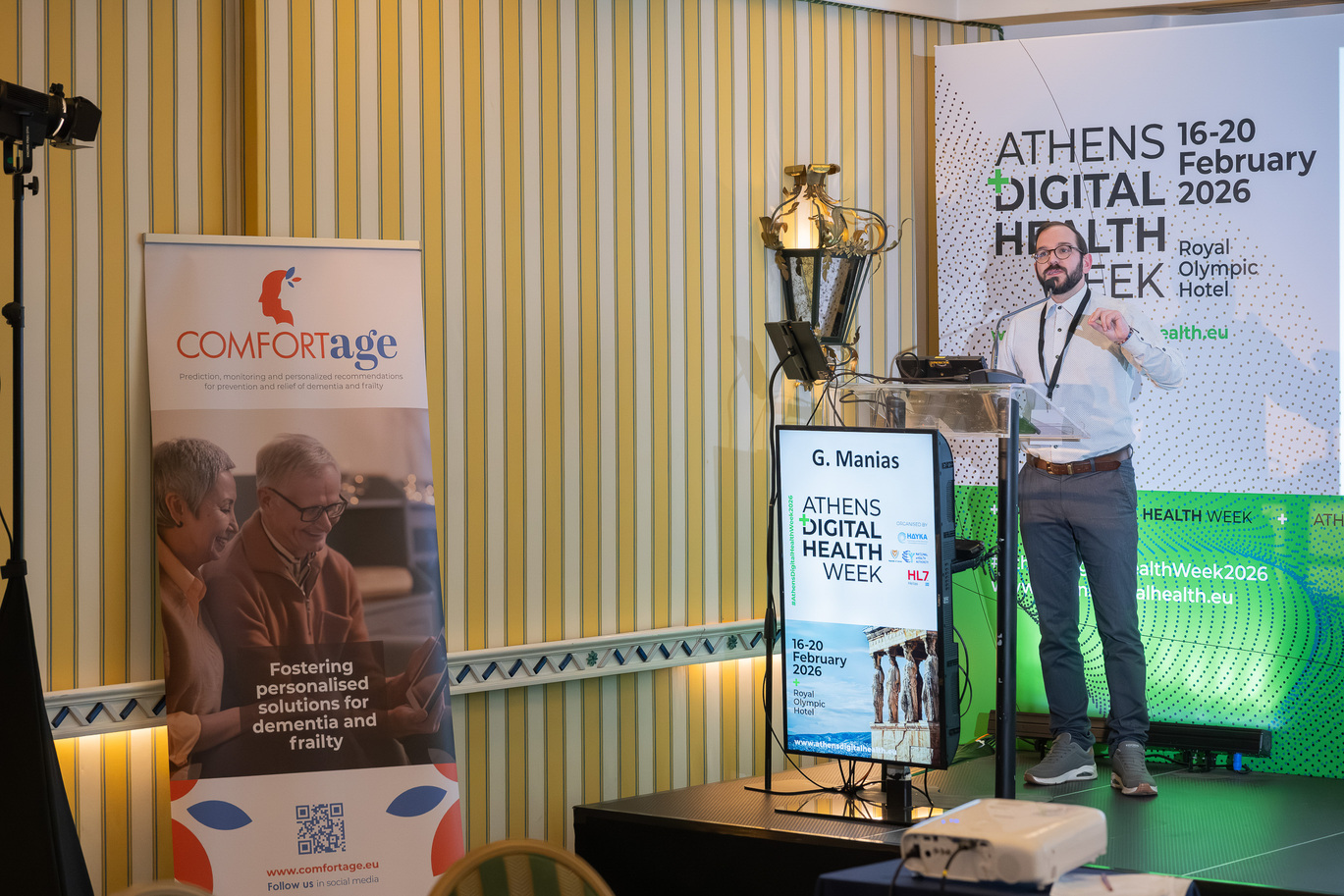
Dr. George Manias, coordinator of the COMFORTage project, opened the session with an overview of the project’s vision and architecture. He presented the main components of the COMFORTage ecosystem, emphasizing the integration of multiple digital solutions within a unified platform. Dr. Manias also highlighted the project’s large-scale piloting activities, which aim to validate the technologies in real-world healthcare environments, as well as the importance of actively involving stakeholders, including healthcare professionals, caregivers, and older adults, throughout the design and development procedures.
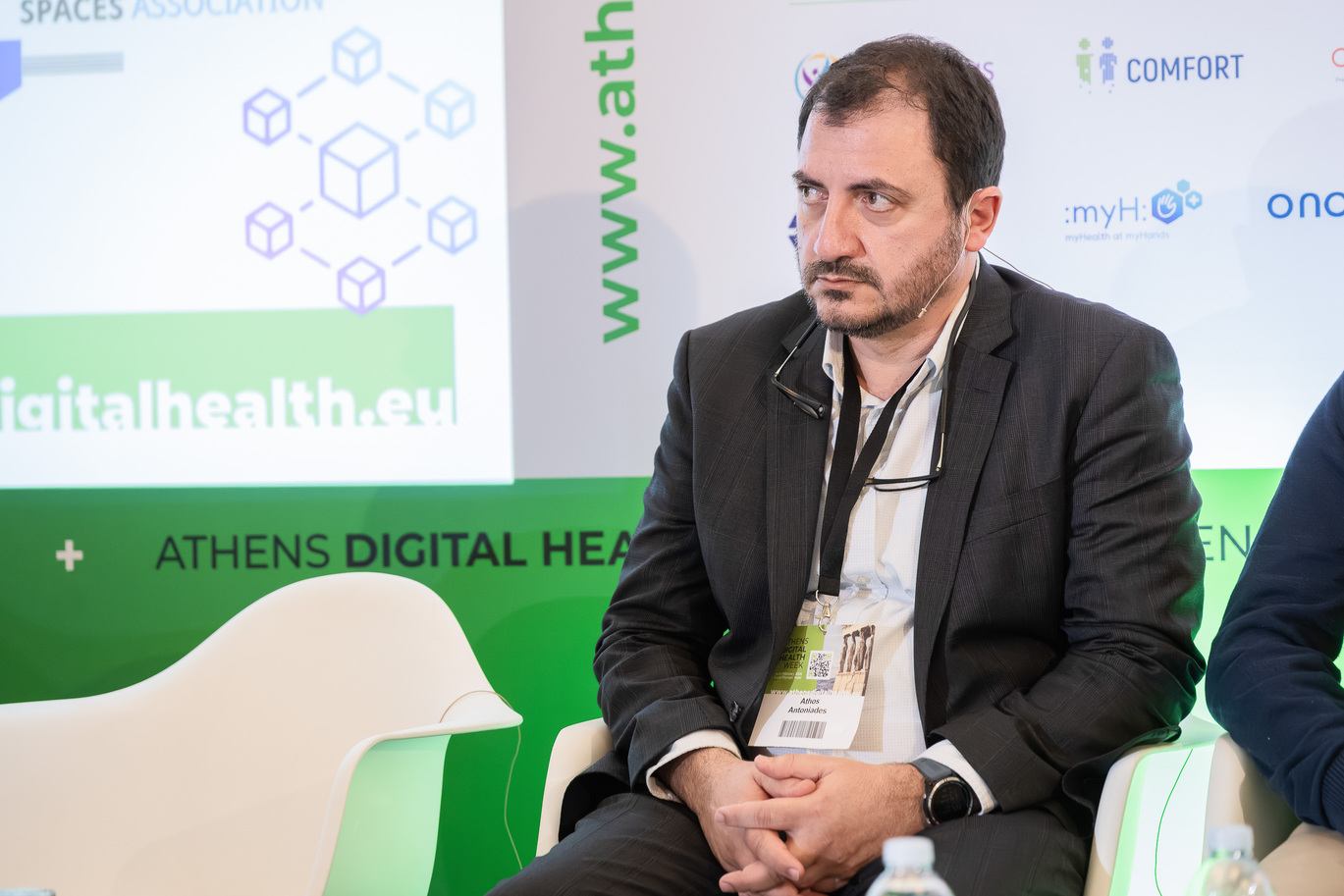
Dr. Athos Antoniades then presented a detailed analysis of the 13 COMFORTage pilot contexts, describing the diversity of healthcare settings in which the project’s technologies will be deployed. His presentation highlighted the significant research value of the data collected through the pilots, which will generate a rich dataset related to frailty and dementia, enabling new insights into prevention strategies, patient monitoring, and personalized interventions.
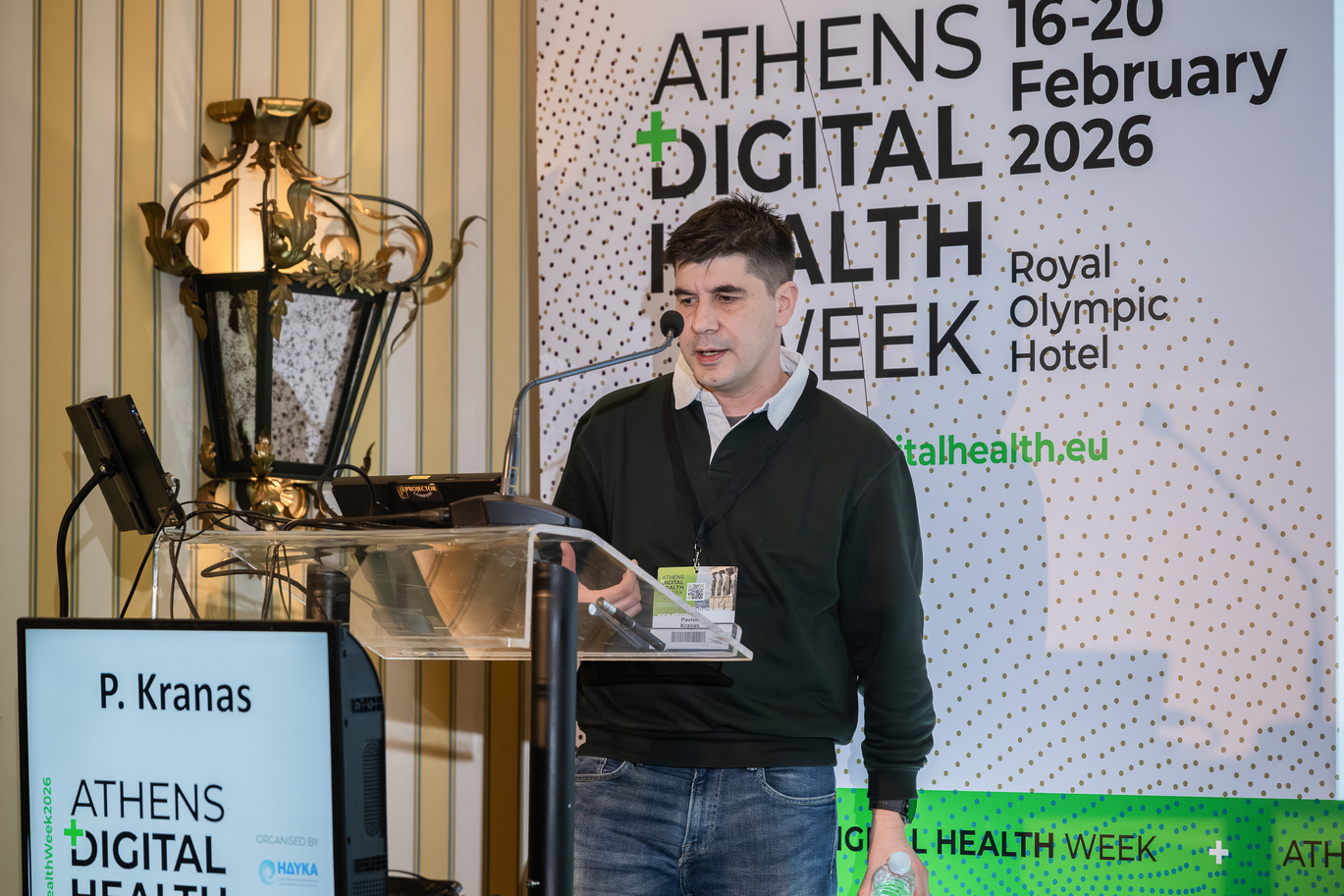
Mr. Pavlos Kranas addressed the topic of interoperability, explaining how the COMFORTage platform aligns with emerging standards and the European Health Data Space to enable secure and meaningful data exchange across healthcare systems.
The session also featured demonstrations of several technologies developed within the project ecosystem, including medical apps such as Healthentia, education platforms and digital apps marketplaces, and cognitive training platforms including serious games. These solutions aim to support older adults, caregivers, and healthcare professionals with personalized interventions, monitoring capabilities, and accessible digital training.
Keys to COMFORTage Project’s Success and Impact
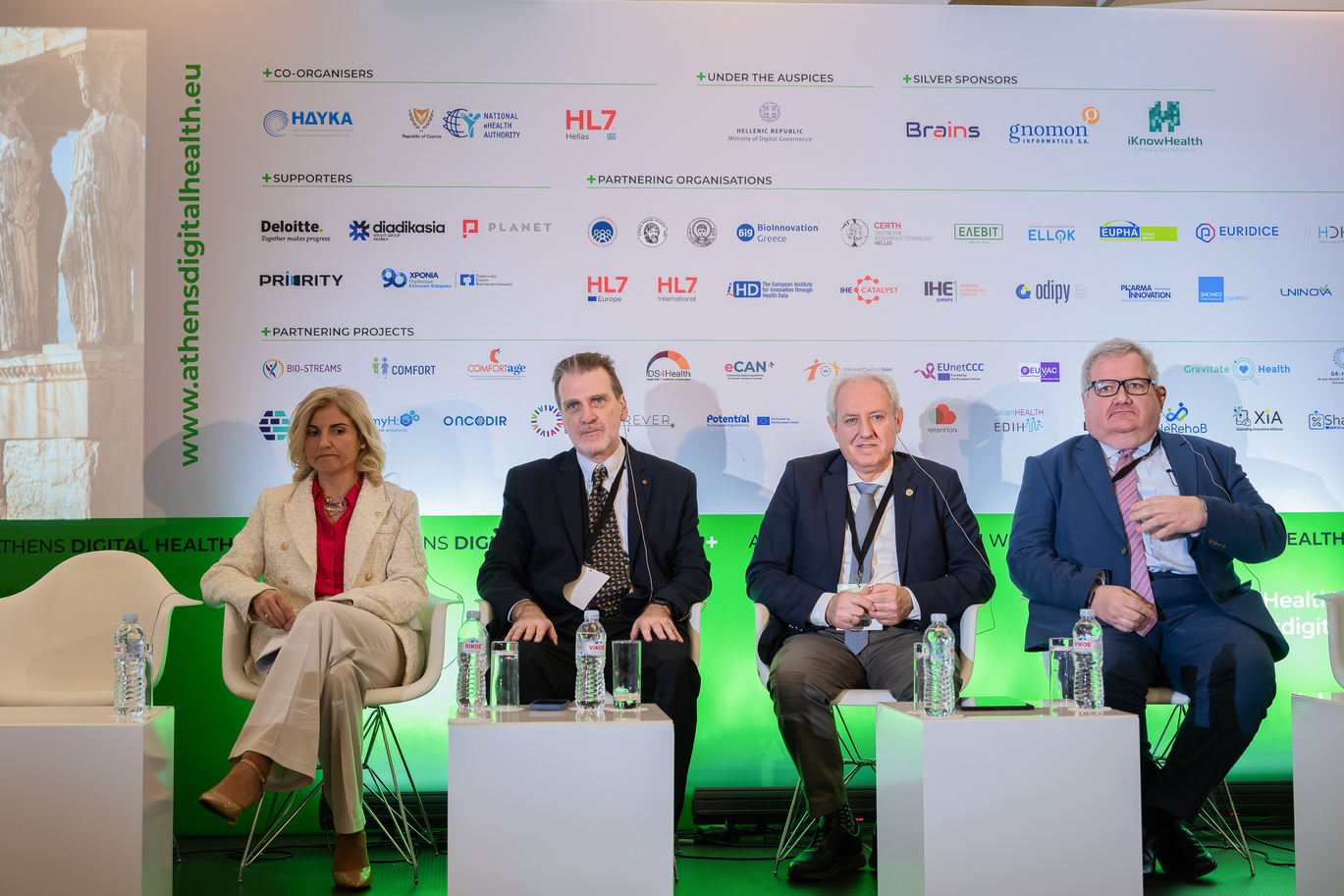
The panel discussion explored the unique value proposition of COMFORTage, emphasizing its ambition to move beyond isolated digital tools toward an integrated ecosystem for dementia and frailty care.
Mr Pavlos Kranas discussed the technical readiness of the platform in relation to the European Health Data Space, noting that while many interoperability components are already aligned with EHDS principles, the final implementation will depend on how the regulatory framework evolves across Europe.
Regulatory challenges were also addressed, particularly regarding medical software certification. Mrs Konstantina Kostopoulou (Innovation sprint) highlighted the need to balance safety and compliance with the flexibility required to develop solutions tailored to the needs of older adults.
Another important aspect was the accessibility and usability of digital technologies for ageing populations. Ensuring that training tools and applications are intuitive, inclusive, and acceptable to older users was identified as a key design priority by Mrs Despoina Mantziari.