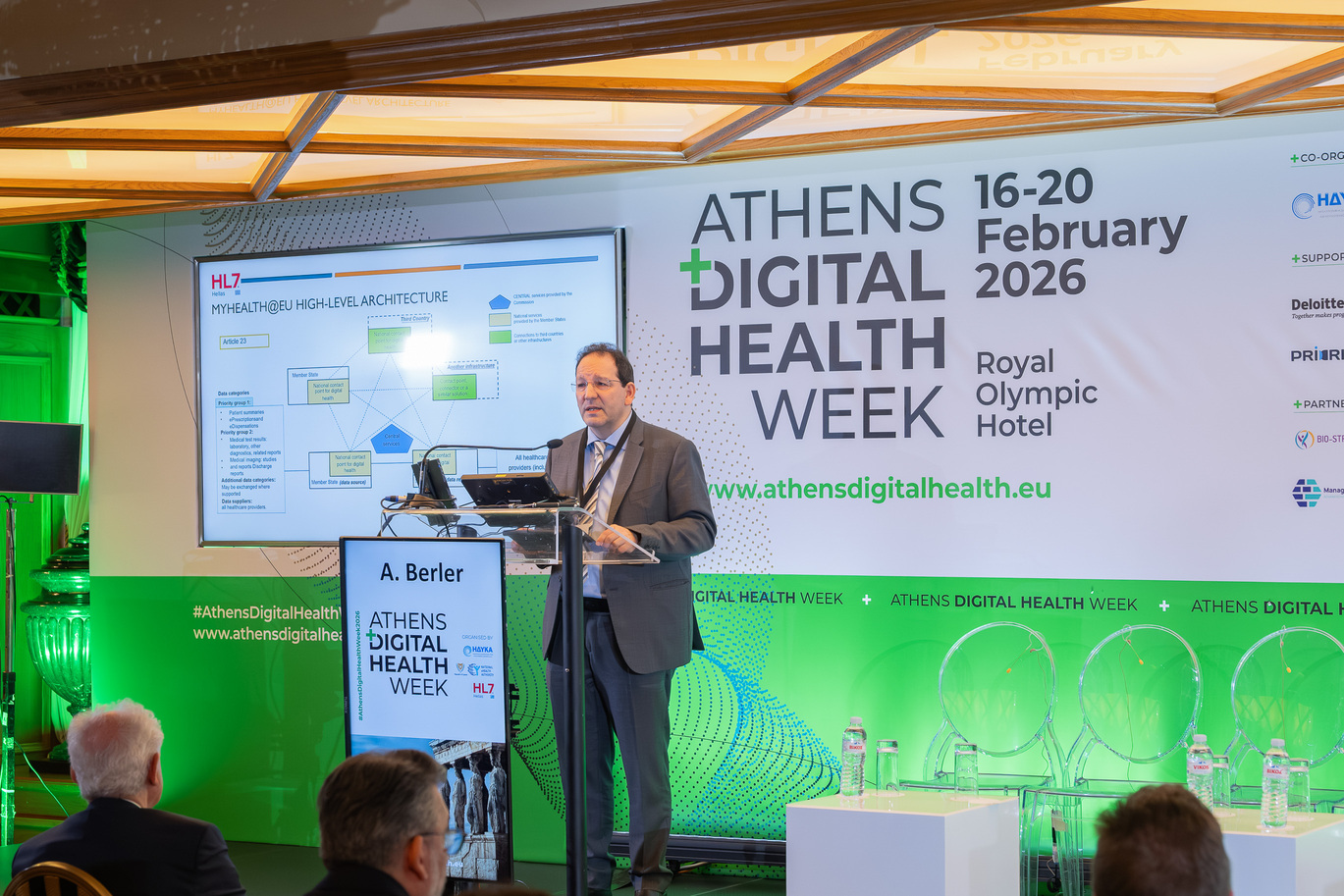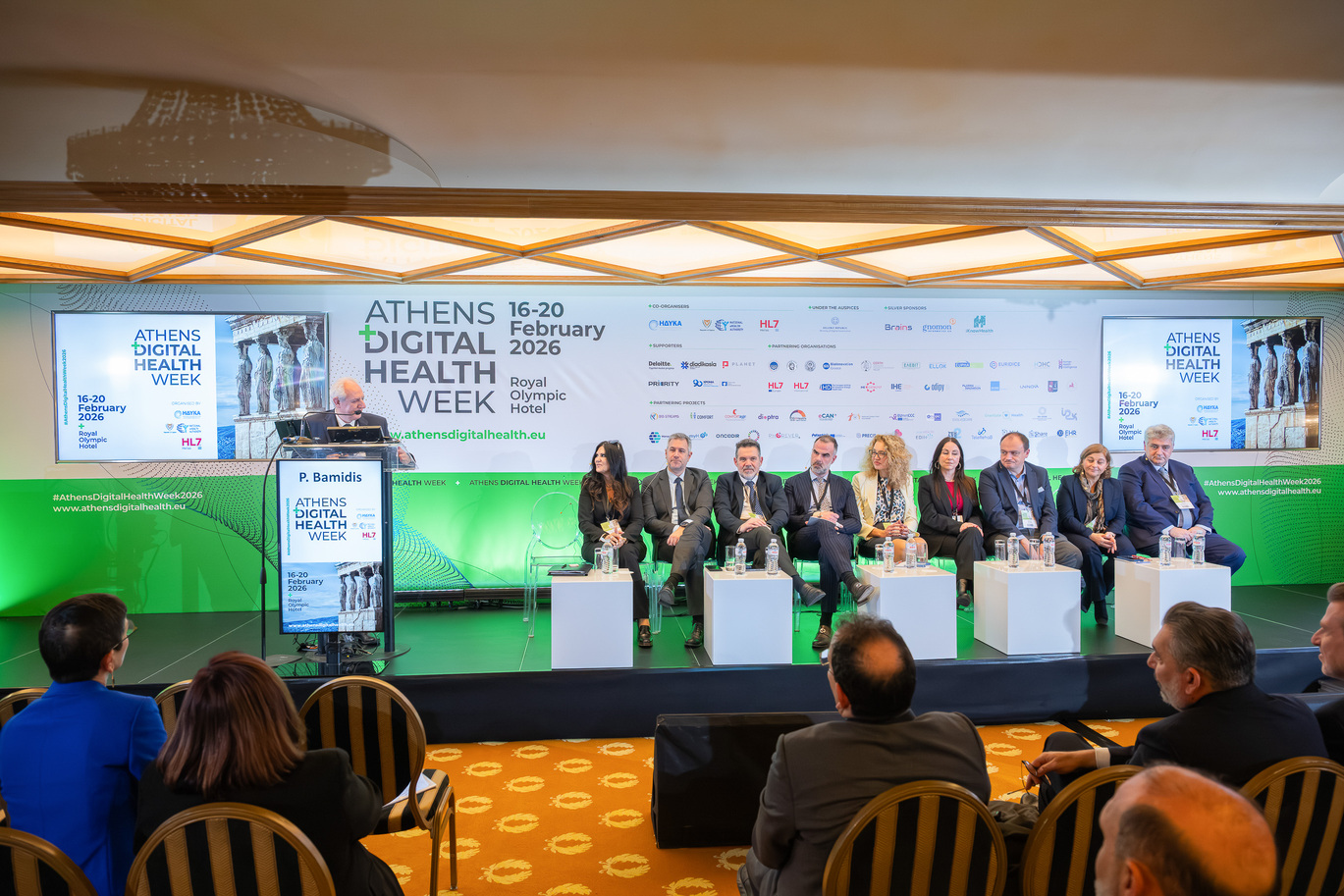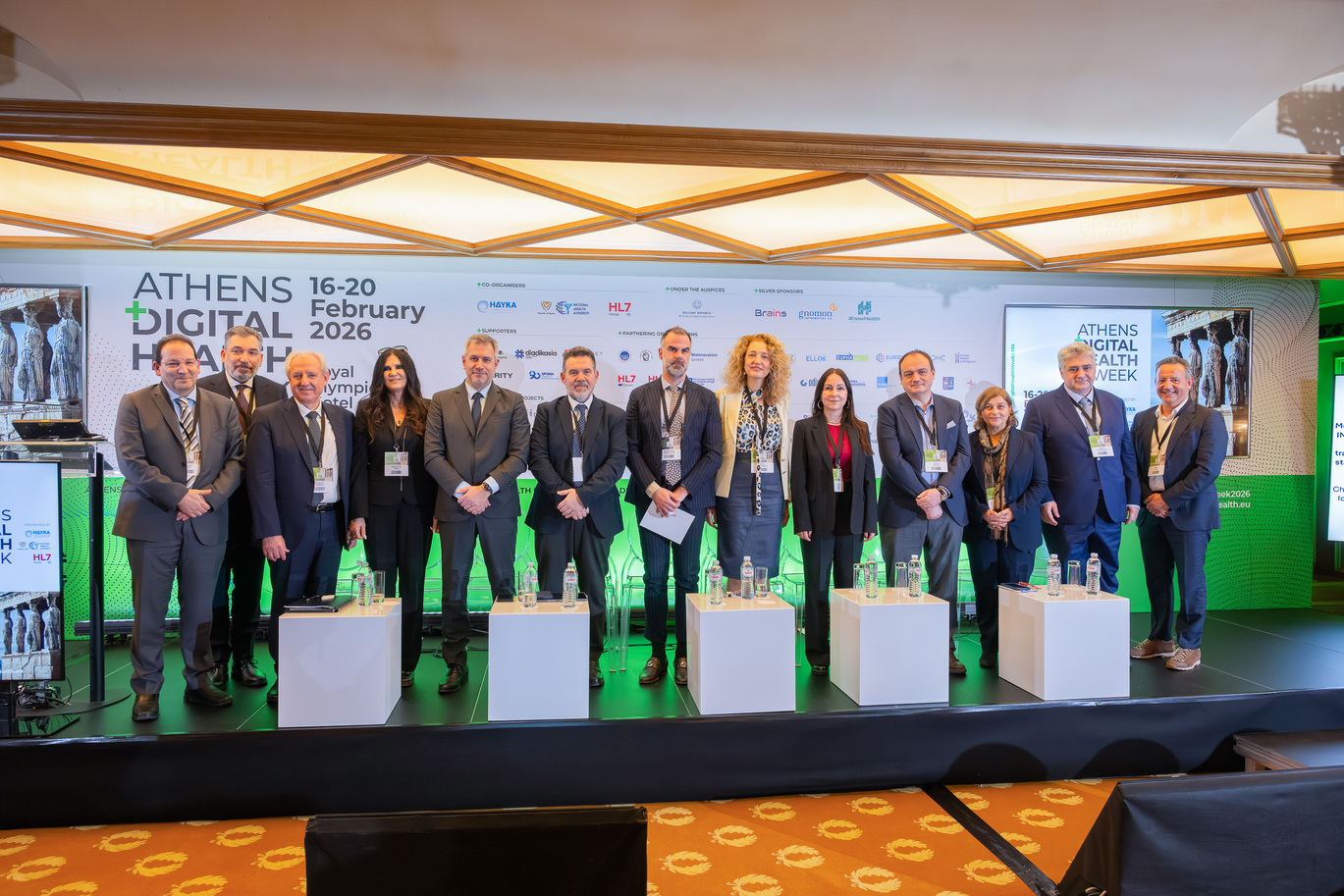
From the HL7 Hellas perspective, Athens Digital Health Week was especially important this year because it enabled the organization to combine community building and national dialogue, capacity building through training, and—most critically—hands-on progress for the HL7 Hellas FHIR Core Workgroup, with a clear alignment path to EU Core and the broader European interoperability landscape.
ADHW 2026 once again confirmed its role as a key meeting point for Europe’s digital health community bringing together policy makers, standards organizations, industry, healthcare providers, academia, and innovators around shared priorities such as the European Health Data Space (EHDS), interoperability, and the accelerating role of AI in healthcare.
HL7 Hellas community and national dialogue
HL7 Hellas opened the week with two well-attended sessions: the HL7 Hellas General Assembly and the HL7 Hellas Plenary Meeting & Annual Update. These sessions provided a strong national forum to discuss interoperability and digital healthcare transformation in Greece, highlighting stakeholder needs, current gaps, and practical opportunities. The dialogue reinforced HL7 Hellas’ role as a neutral, standards-driven community platform that supports Greek stakeholders as they move toward EHDS readiness.
The Plenary included an impactful keynote on “EHDS Readiness: A roadmap for Greece” and a rich panel discussion that captured perspectives across the Greek ecosystem confirming a shared conclusion: to be EHDS-ready, Greece needs not only technology, but also shared specifications, alignment, and governance that can be sustained across institutions and over time.
HL7 Hellas Training Sessions on HL7 FHIR
A cornerstone of HL7 Hellas’ contribution to ADHW 2026 was the dedicated HL7 Hellas HL7 FHIR Training Sessions track, designed to support developers, architects, analysts, implementers, and decision-makers who need practical skills and a structured roadmap for real-world FHIR adoption.
We would like to express special thanks to the experts who supported the training and helped set a high bar for quality and practicality: Diego Kaminker (HL7 International, DCSIO) and Jürgen Brandstätter (IHE Catalyst).
The training provided a coherent learning path that moved from fundamentals to applied practice, including: a clear introduction to FHIR (what it is, and what it is not), profiling principles and techniques for building national/organizational specifications correctly, testing and validation mindset through practical exercises, an applied look at FHIR and AI-adjacent topics (including provenance), and a roadmap-oriented perspective for implementing interoperable digital health projects.
What stood out most was the excellent feedback we received from participants. The recurring message was consistent, specifically that the training was actionable, well-structured, and immediately applicable to ongoing projects. This is particularly relevant at a time when EHDS and the upcoming implementing acts are pushing the ecosystem toward clearer technical and governance decisions.
HL7 Hellas FHIR Core Workgroup: roadmap, alignment, and “how we work”
One of the most strategically impactful moments for HL7 Hellas at ADHW 2026 was the set of consecutive sessions dedicated to the HL7 Hellas FHIR Core Workgroup, culminating in a practical “fresh start” for the way we operate.
The FHIR Core WG Plenary focused on the HL7 Hellas FHIR Core roadmap & work plan for 2026, the approach for EU Core alignment, and the national specifications landscape followed by open discussion and Q&A to engage the broader community. The session helped anchor a shared understanding: Greece needs a consistent, community-driven approach that supports national priorities while remaining compatible with European and international specifications, avoiding fragmentation and enabling reuse.
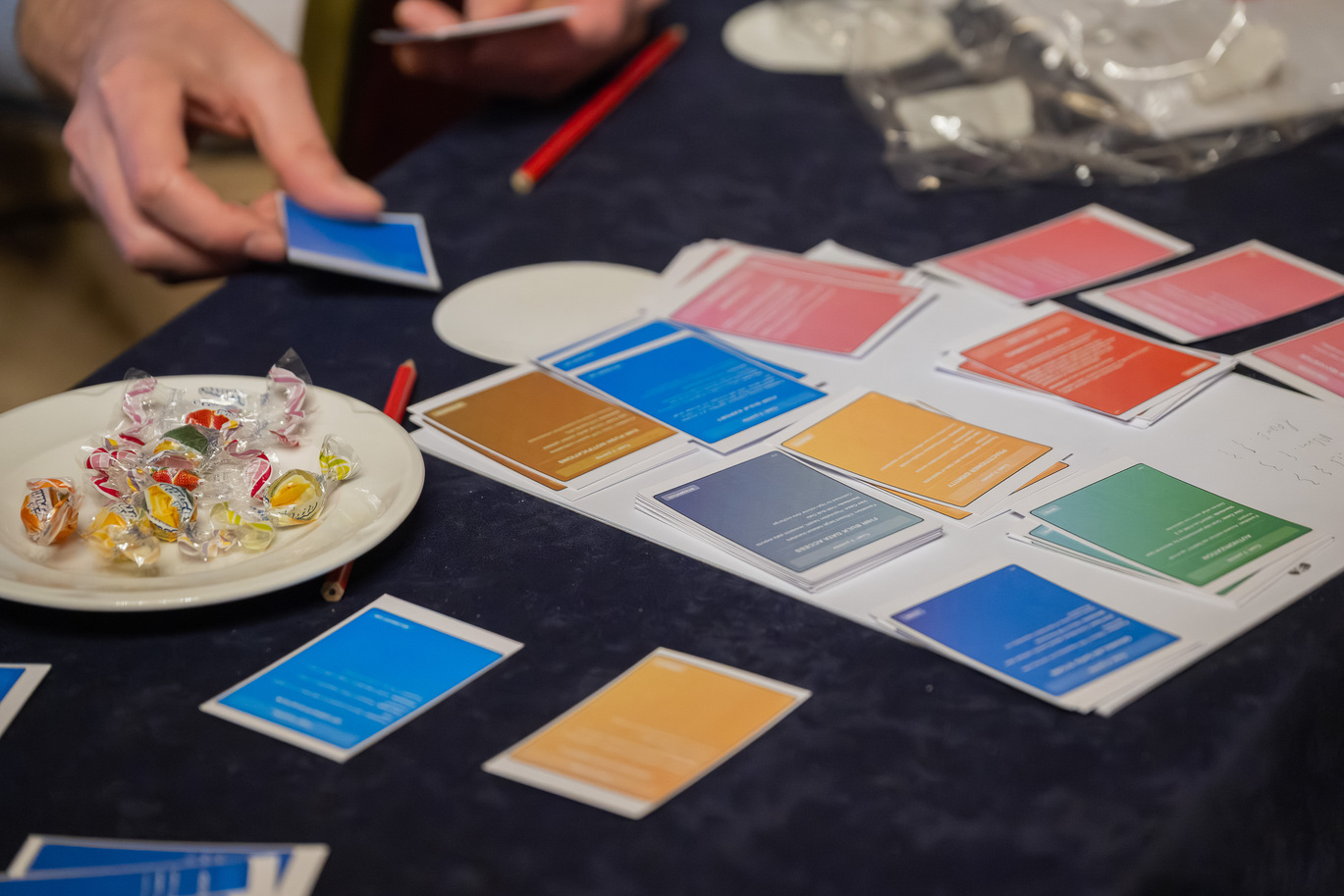
The hands-on workshop shifted from “what we want to build” to “how we build it together”. The focus was the practical operating model of the Workgroup: issue triage and prioritization, decision-making practices (including voting/consensus), and the tooling needed to support a disciplined Implementation Guide lifecycle. The workshop’s GitHub-centered approach and the breakout structure across Profiles, Terminology, and Tooling & QA helped turn discussion into action items and ownership.
We also benefited greatly from Giorgio Cangioli’s insights and Yannis Petrakis’ presentation, particularly on how our current status and outputs compare to best practices across other HL7 affiliates and European initiatives. This input was invaluable having helped us refine our approach, confirm what we are doing well, and identify what we should strengthen next to operate more effectively and consistently.
A particularly positive outcome was the growth of the community: we welcomed new members to the Workgroup during ADHW 2026, strengthening our pool of expertise and expanding the stakeholder base needed for a national-level effort.
Concrete outcomes and next steps
ADHW 2026 did not end with “good discussions”; it produced tangible direction and momentum. We left the week with clearer alignment on the 2026 roadmap themes and priorities, stronger shared understanding of the EU Core alignment approach, and a more structured work model built around transparent collaboration, measurable actions, and repeatable governance.
As promised, HL7 Hellas is now moving to a fixed monthly Workgroup cadence, so we can convert momentum into delivery. Our next steps include launching a short questionnaire for clinicians to capture structured feedback that validates priorities and ensures clinical relevance and deciding on a direct communication channel that will enable faster collaboration between meetings.
For transparency and collaboration, our work will continue to be visible through our Workgroup channels (Confluence/GitHub), supporting openness, reuse, and community contribution—principles that matter now more than ever in the EHDS era.
HL7 Hellas extends thanks to
- the ADHW 2026 organizers for their support, coordination, and for continuing to grow ADHW into a space where standards communities can do real work—not only presentations.
- all speakers, facilitators, partners, and participants who joined HL7 Hellas sessions, especially those who contributed hands-on during the training and the FHIR Core Workgroup activities.
If you want to contribute to the HL7 Hellas FHIR Core effort—whether from a policy, clinical, technical, vendor, academic, or implementation perspective—you are welcome to join and support the work. Follow HL7 Hellas LinkedIn page for updates and next steps.