As a key partner of Athens Digital Health Week, IHE-Europe took center stage this year to tackle the complexities of the European Health Data Space implementation. Sofia Franconi, IHE-Europe’s Interoperability Lead, breaks down the highlights and the path forward.
EURIDICE: Bridging Standards and Implementation for EHDS
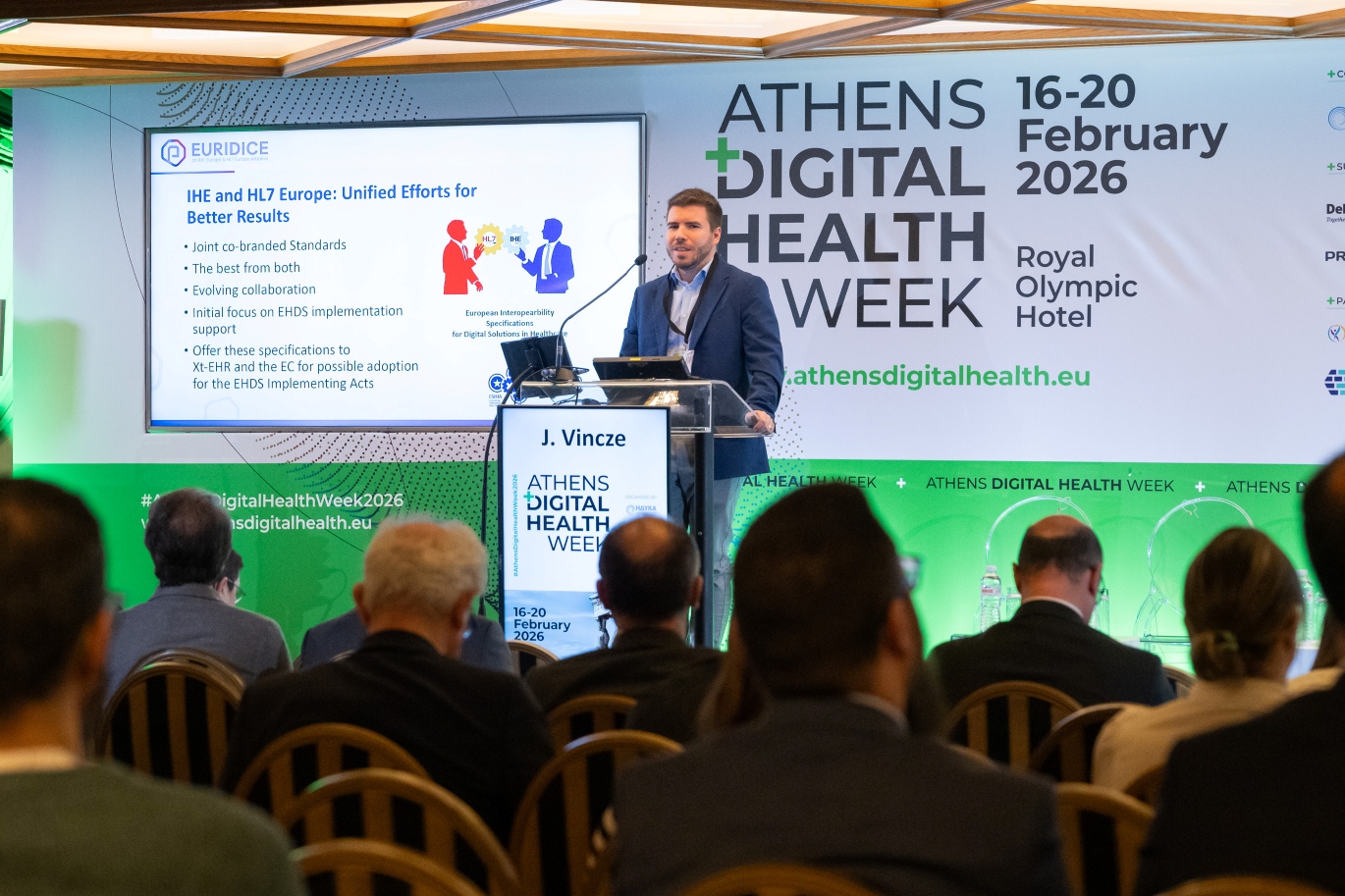
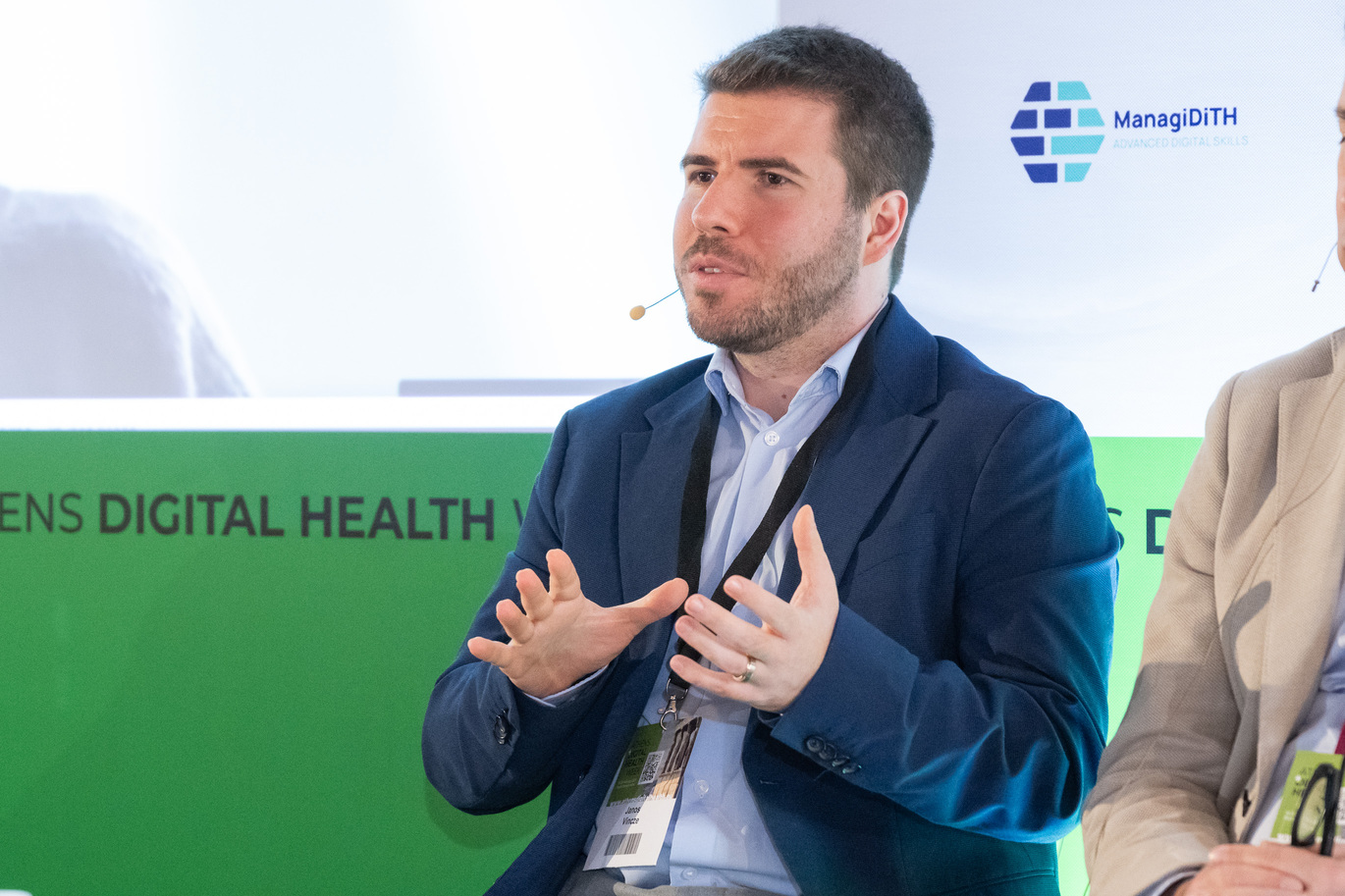
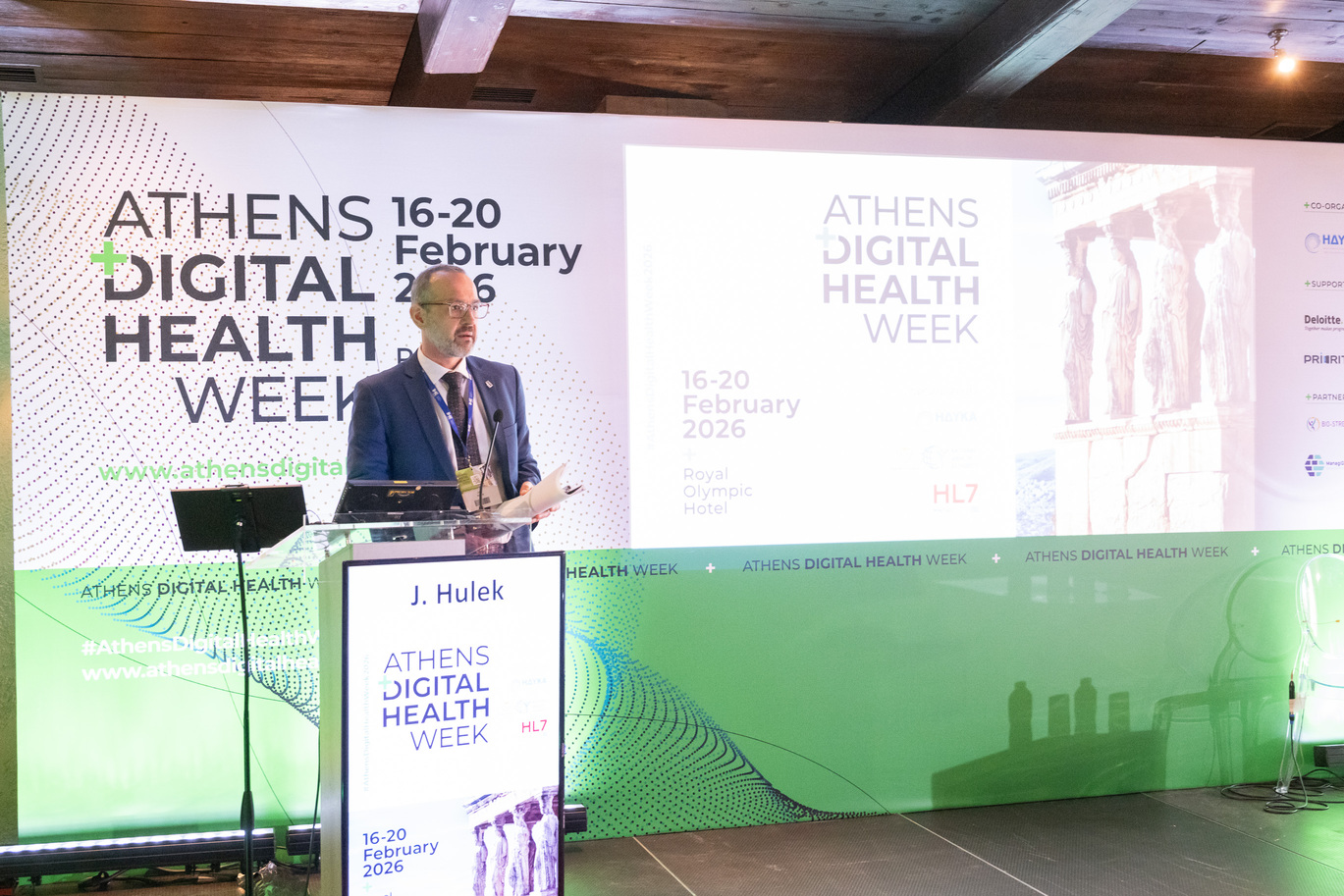
EURIDICE, a joint initiative of HL7 Europe and IHE-Europe, was presented as a practical enabler of the European Health Data Space (EHDS). Moderated by Jan Hulek, the session showed how SDOs translate EHDS policy into implementable and testable specifications.
Speakers, including János Vincze, Giorgio Cangioli, Lapo Bertini, Andreas Klingler, Jürgen Branstätter and Nicole Veggiotti, highlighted how EURIDICE combines HL7’s specification expertise with IHE’s methodology and testing infrastructure. Tools like IHE Gazelle help ensure specifications are validated and interoperable across vendors and manufacturers.
EURIDICE provides a structured roadmap through 2029 to support harmonised, cross-border digital health services in Europe. By bridging the gap between policy and deployment, it empowers healthcare providers, vendors, and national authorities to implement the EHDS efficiently and consistently. IHE-Europe also introduced IHE PRISM for EHDS, a new engagement initiative designed to foster broader industry support for the EHDS.
Implementation of the EHDS: The Industry Propositions
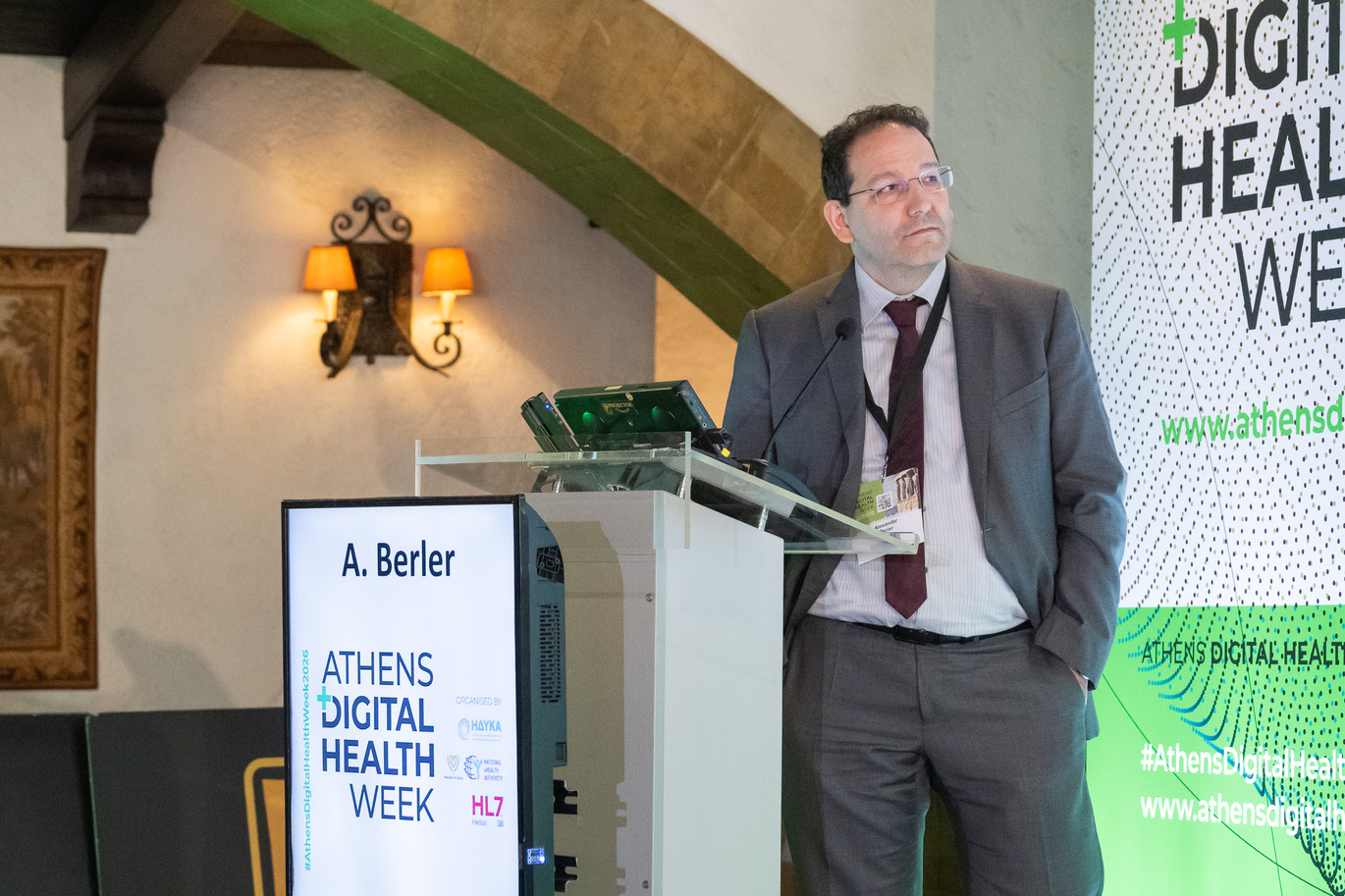
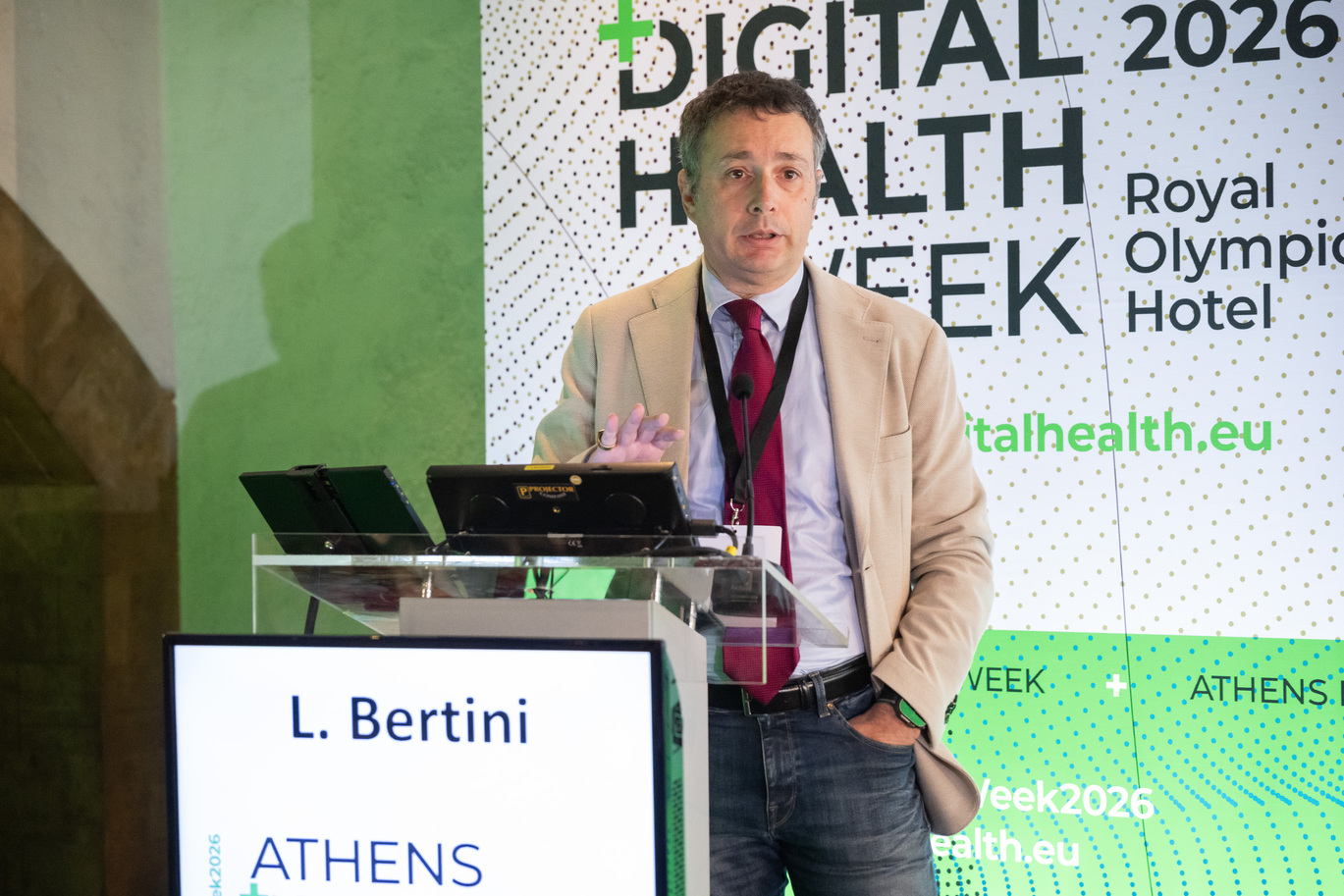
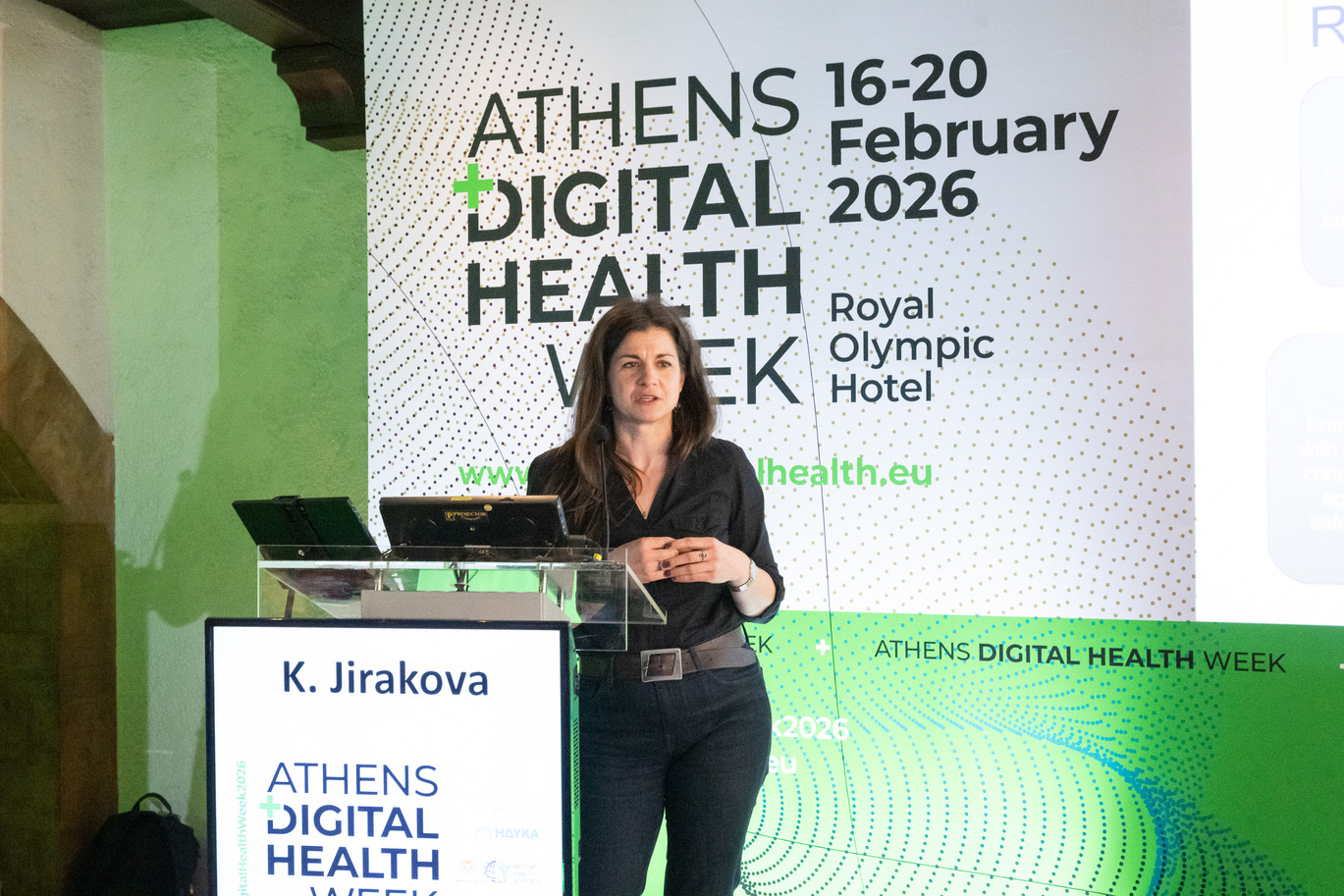
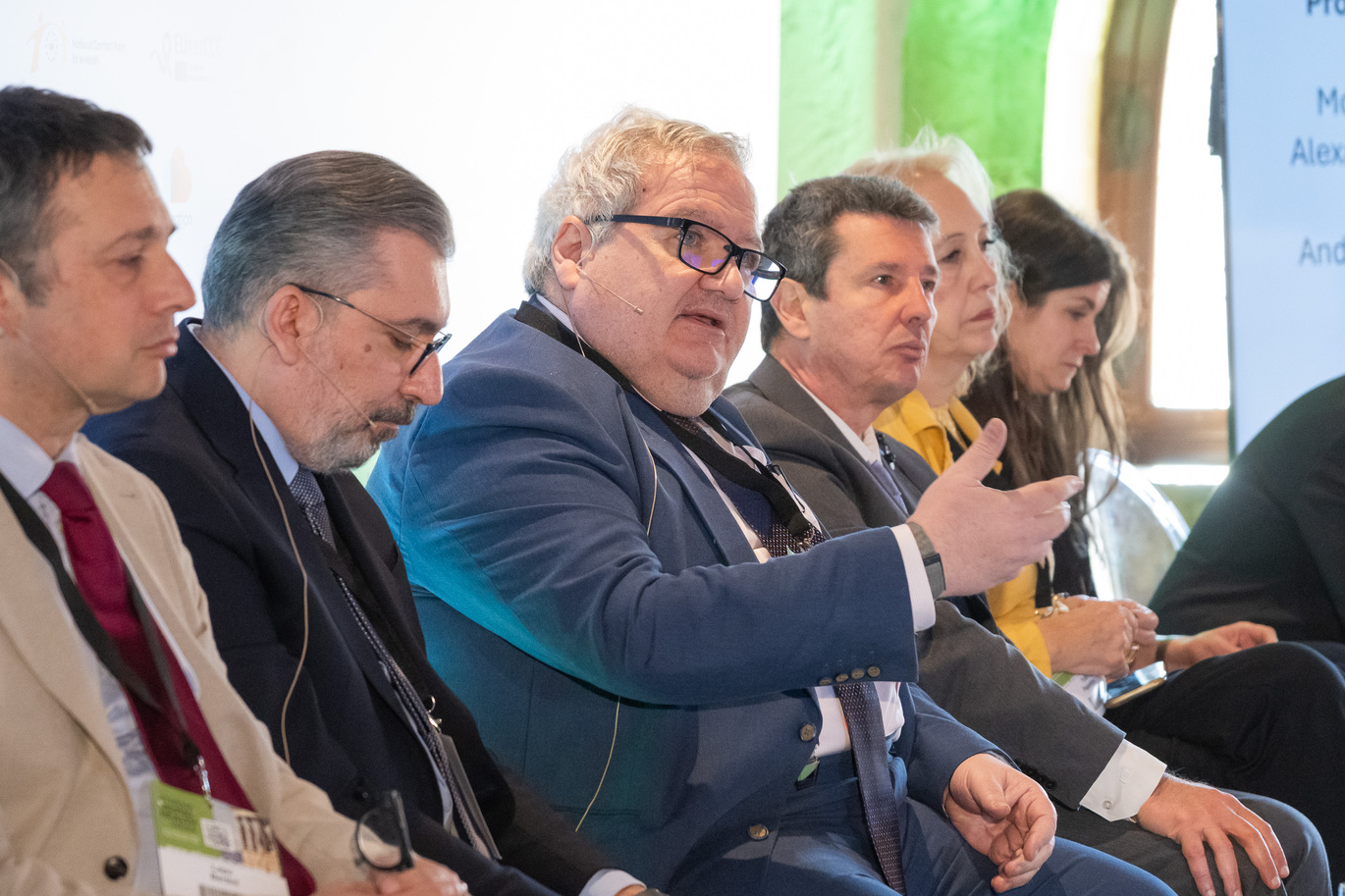
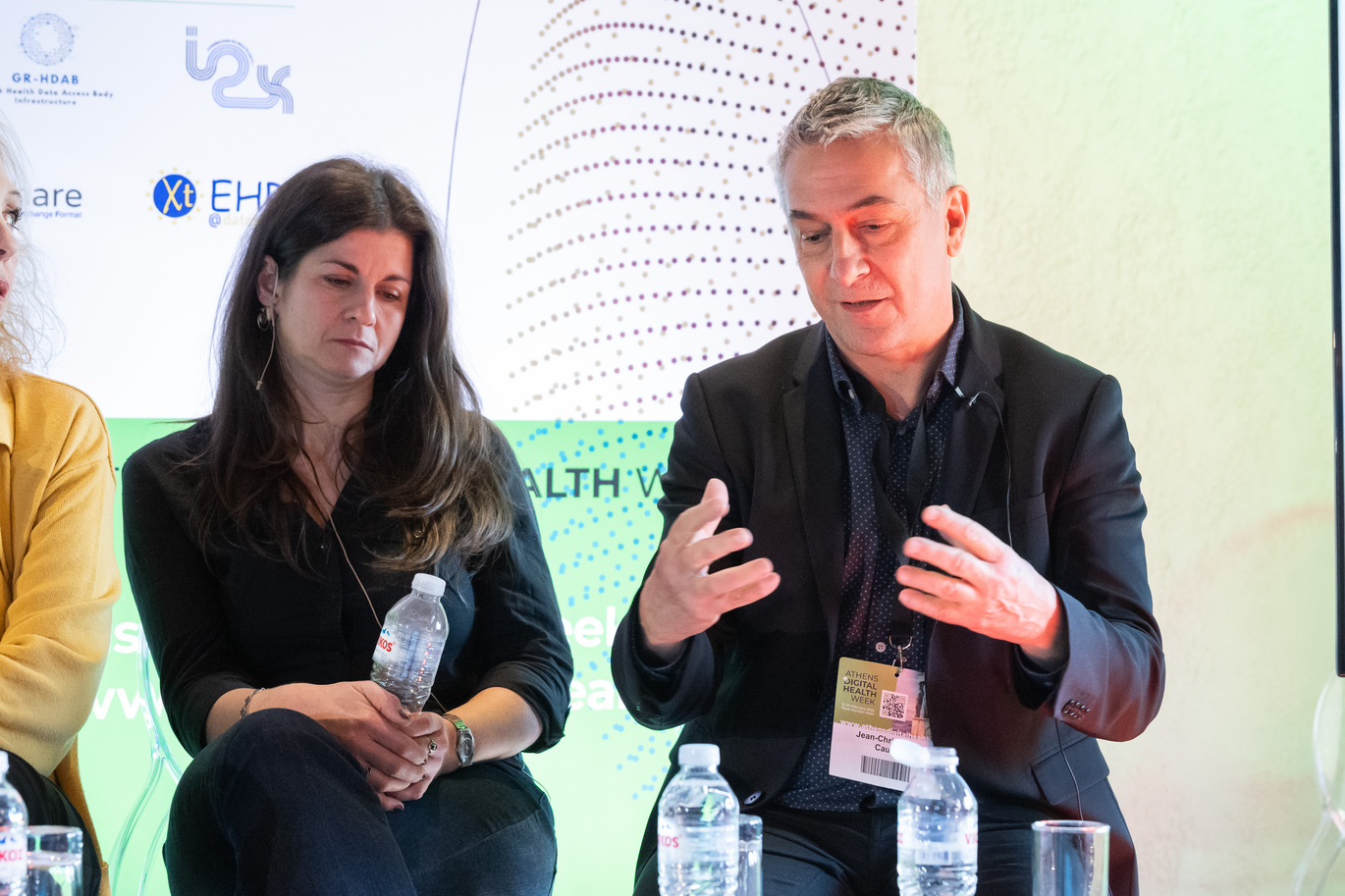
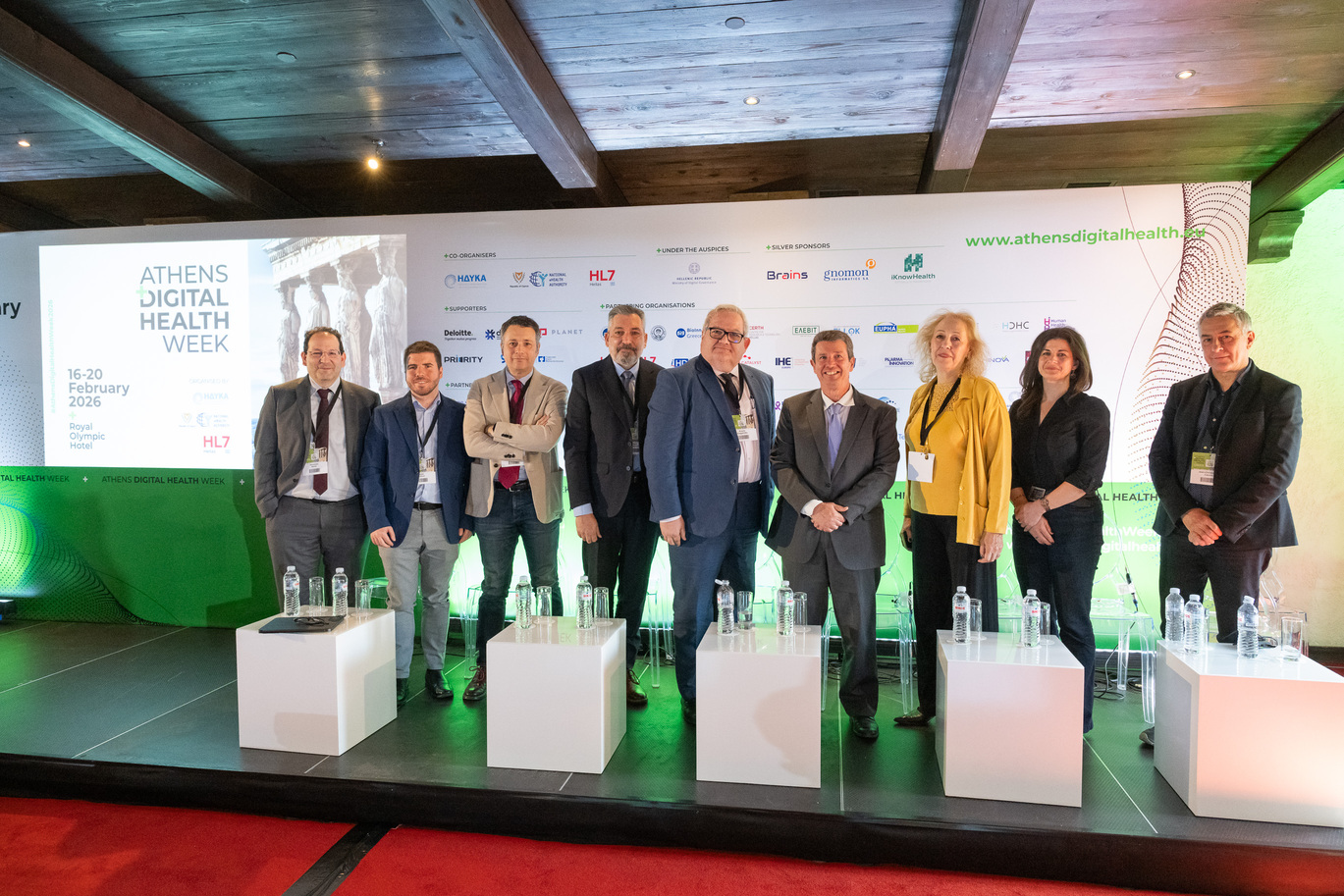
Moderated by Alexander Berler, Strategic Business Development Director, IHE Catalyst AISBL; Vice Chair, HL7 Hellas, this panel examined industry propositions for implementing the European Health Data Space (EHDS), translating regulatory policy into concrete specifications, priority use cases, and conformance frameworks. Lapo Bertini (IHE/Dedalus) outlined joint activities of European vendors through the Industry X-Net Forum hosted by IHE-Europe, while Jean-Christophe Cauvin (Ministry of Health of France) presented Member State perspectives on EHDS use case capacity and infrastructure impact. Klara Jirakova (eHMSEG chair) addressed the “comitology” process and its linkage to implementing acts, Xt-EHR, and cross-border services. Andreas Klingler (COCIR/Siemens) together with Sabine Doerhoefer (Medtech Europe/Roche) discussed specification maturity, structured testing and validation, and the critical alignment of national and European roadmaps to ensure coherent EHR system conformance.
During this session representatives of the Greek vendor associations also expressed their views in the context of the Greek Market. Mrs Paparidou (SEPE) expressed concerns on how EHDS will be implemented in the Greek context, Mr Samiotakis (ESPY) mentioned that there is a need to rebrand and align EHR Systems with real life clinical protocols to align with real needs, and Mr Kaggelides (SETPE) mentioned that EHDS needs to be included in the Greek eHealth Interoperability Framework. Finally, Mr Kyriakoulakos (HL7 Hellas) referred to capacity building and the need to align EU specifications with the Greek ones, explaining the role of HL7 Hellas FHIR core working group as a facilitator.
Clinical Semantic/Vocabularies as a Market Enabler
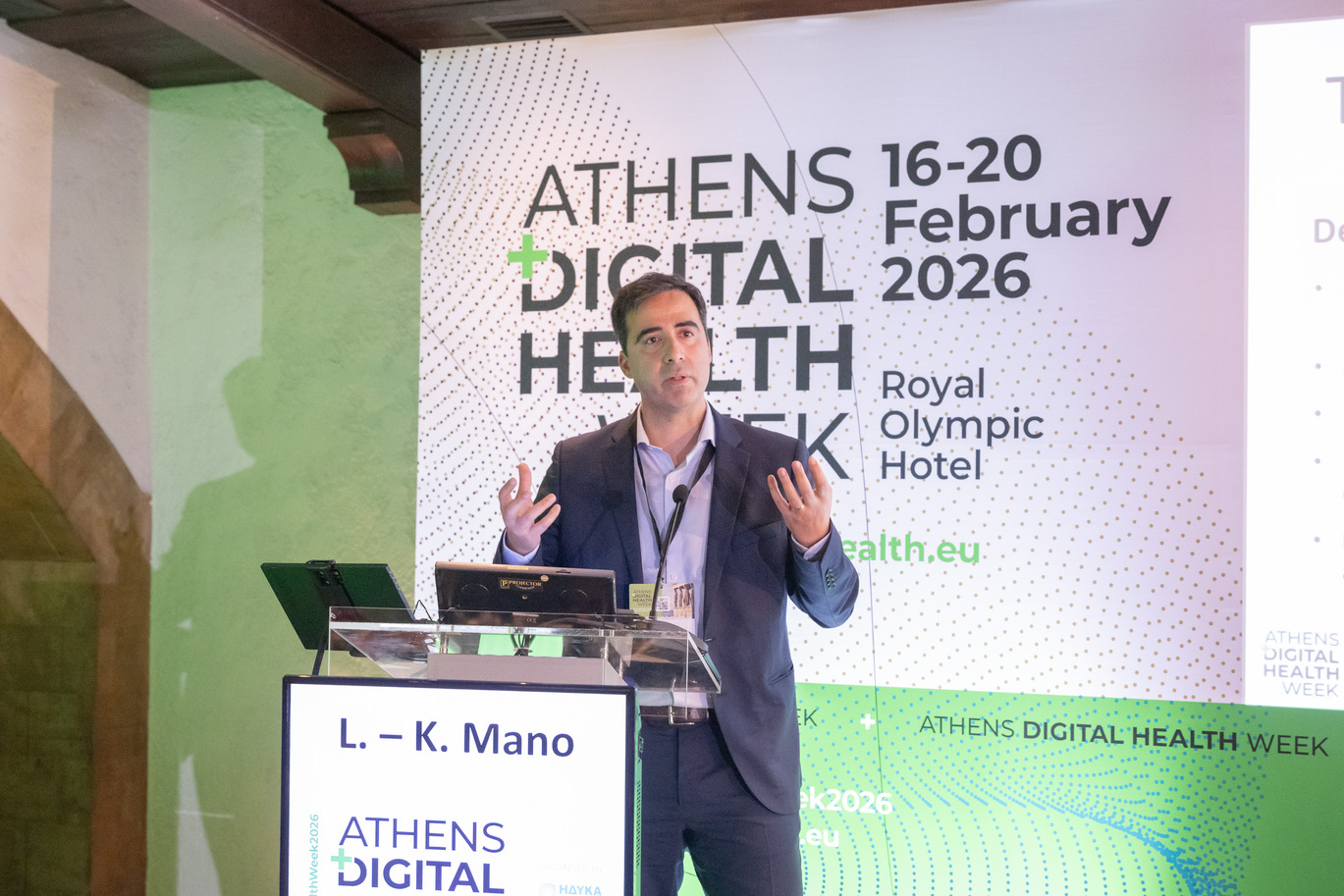
Moderated by Jan Hulek, the session opened with Licinio Kustra Mano from SNOMED International, who highlighted the growing “meaning gap” in healthcare: increasing data volumes are not matched by consistent data quality and clarity. SNOMED CT was presented as a multilingual, logic-based terminology enabling structured clinical records, alignment with the European Health Data Space (EHDS), and the principle “collect once, reuse many times.” Terminology servers such as Snowstorm support mapping across systems including ICD-10 and LOINC, while providing a deterministic layer to support AI.
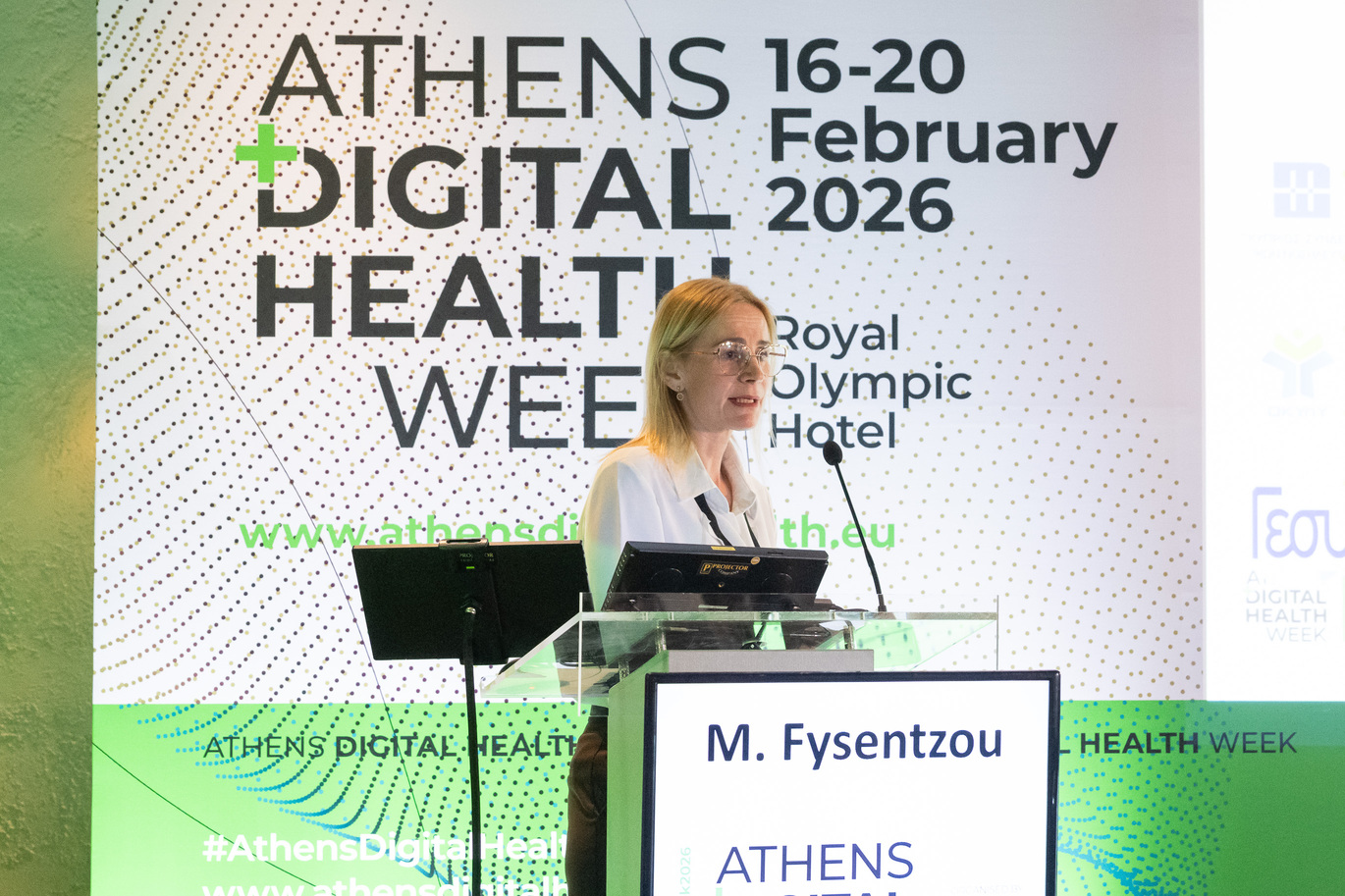
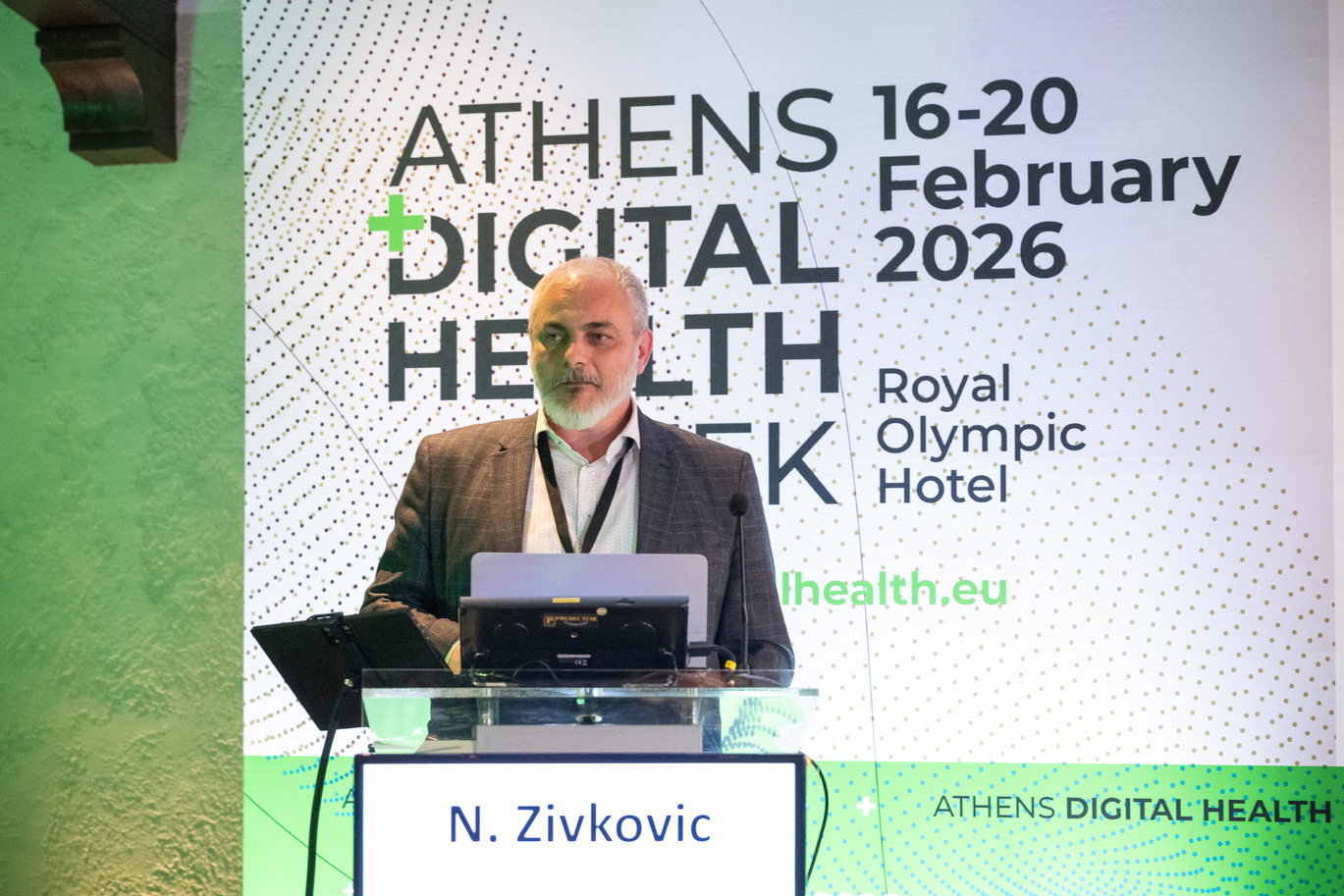
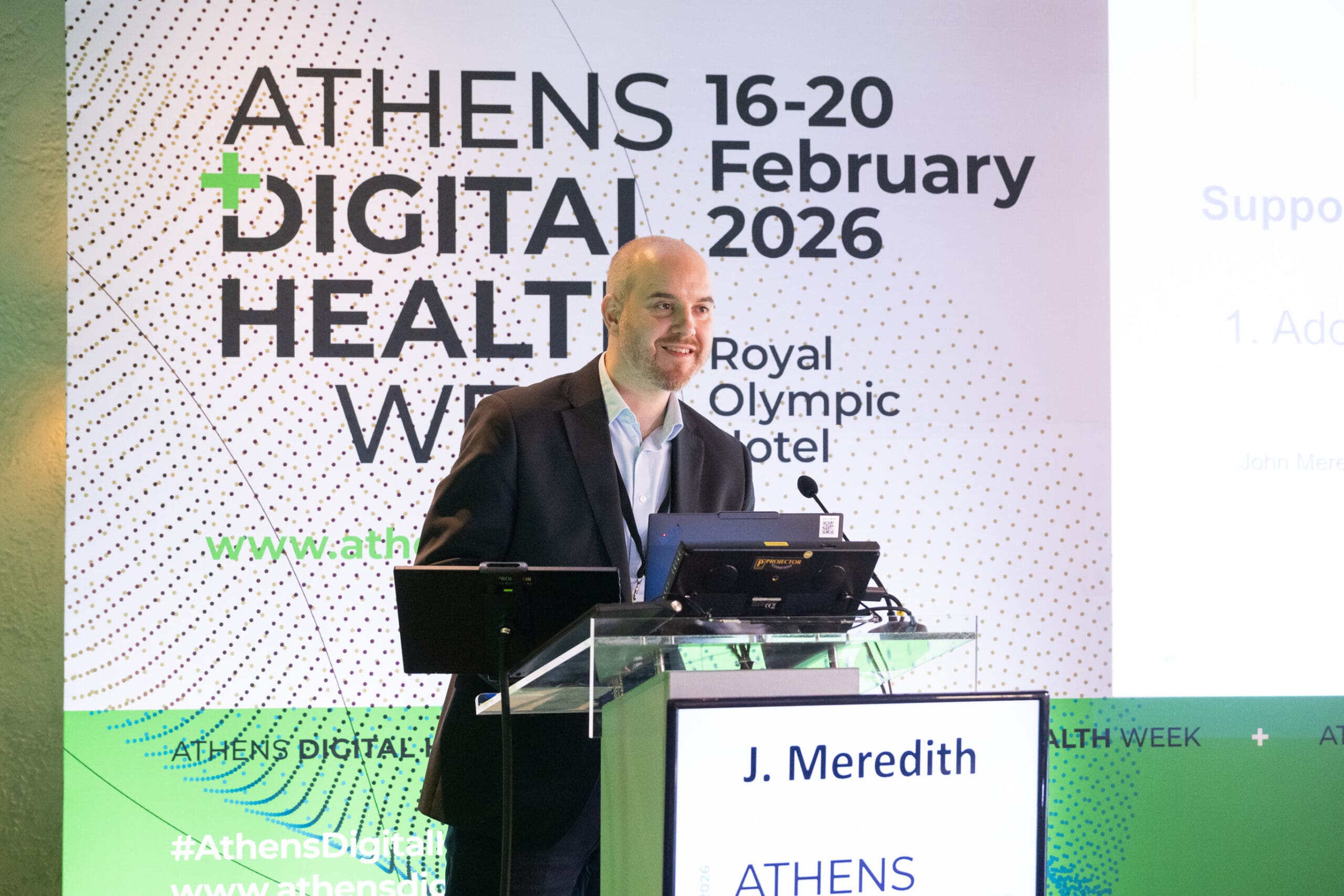
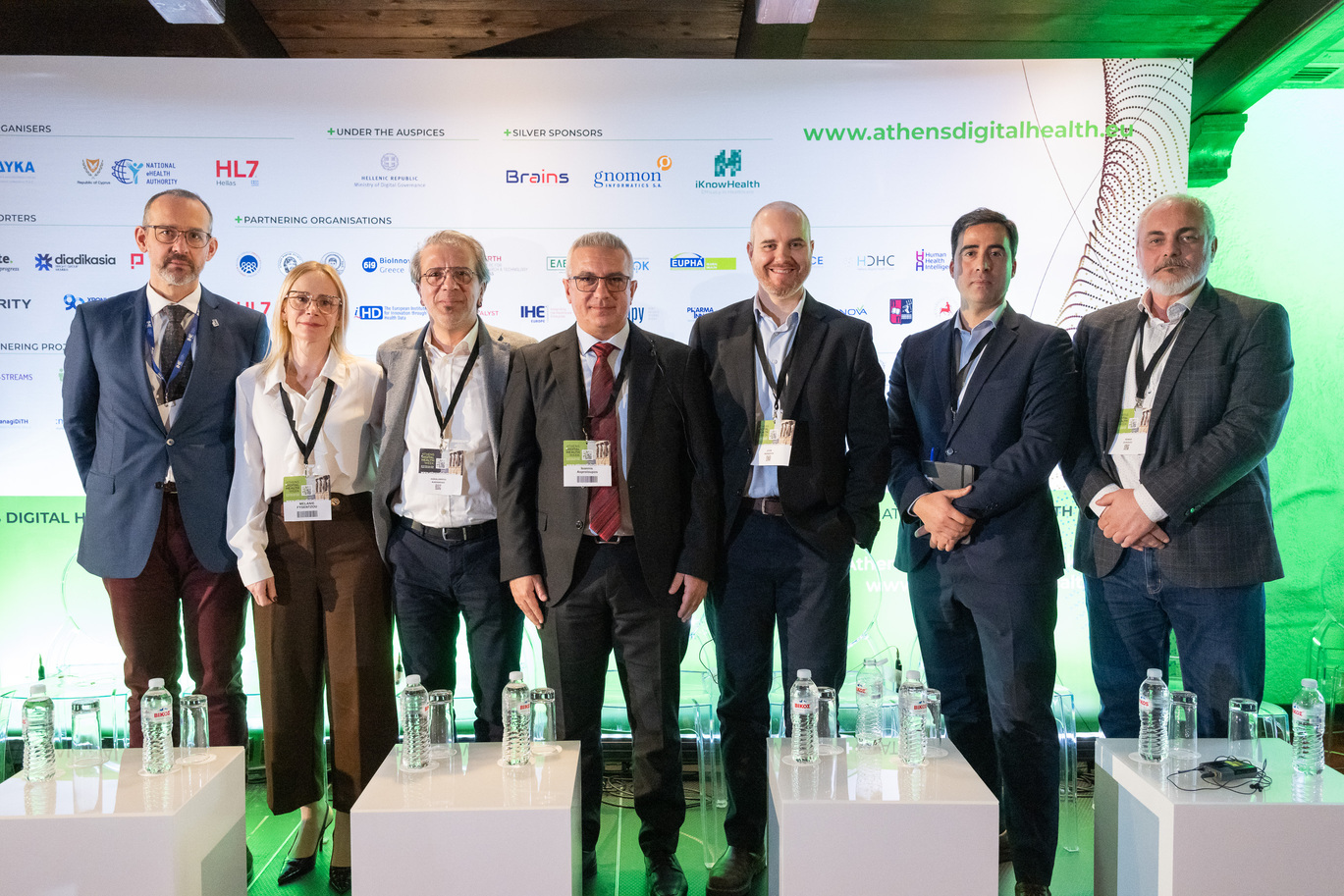
During the panel, Haralampos Karanikas, Melanie Fysentzou, Nenad Zivkovic, and John Meredith emphasised that no health system relies on a single vocabulary. Experiences from Cyprus showed the scale of terminology mapping required across public, private and cross-border services. Speakers agreed that interoperability requires governance, national terminology services, and controlled variation through profiles and conformance mechanisms. Clear national decisions, harmonised value sets and sustained investment are essential to position clinical vocabularies as true enablers of data-driven healthcare.