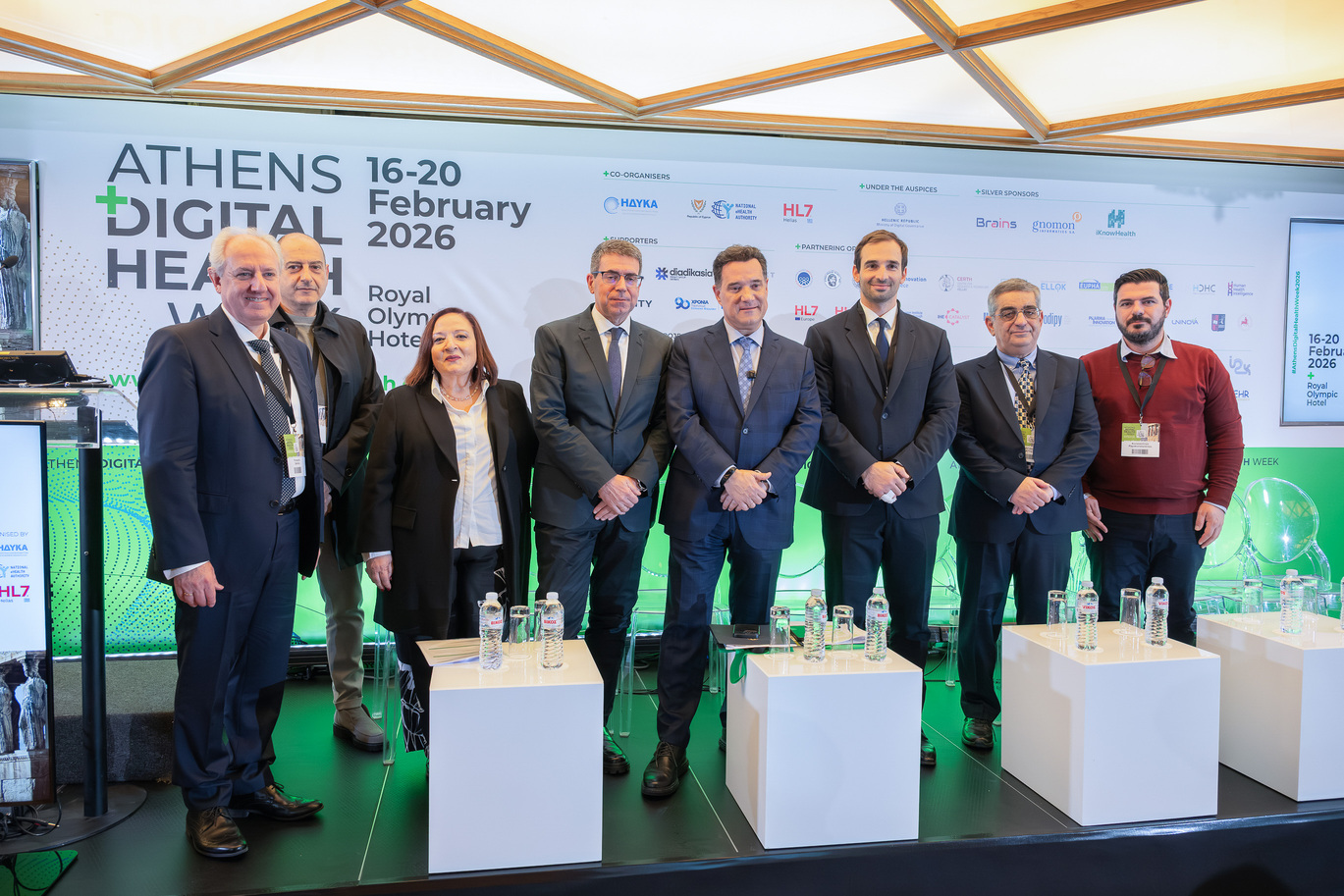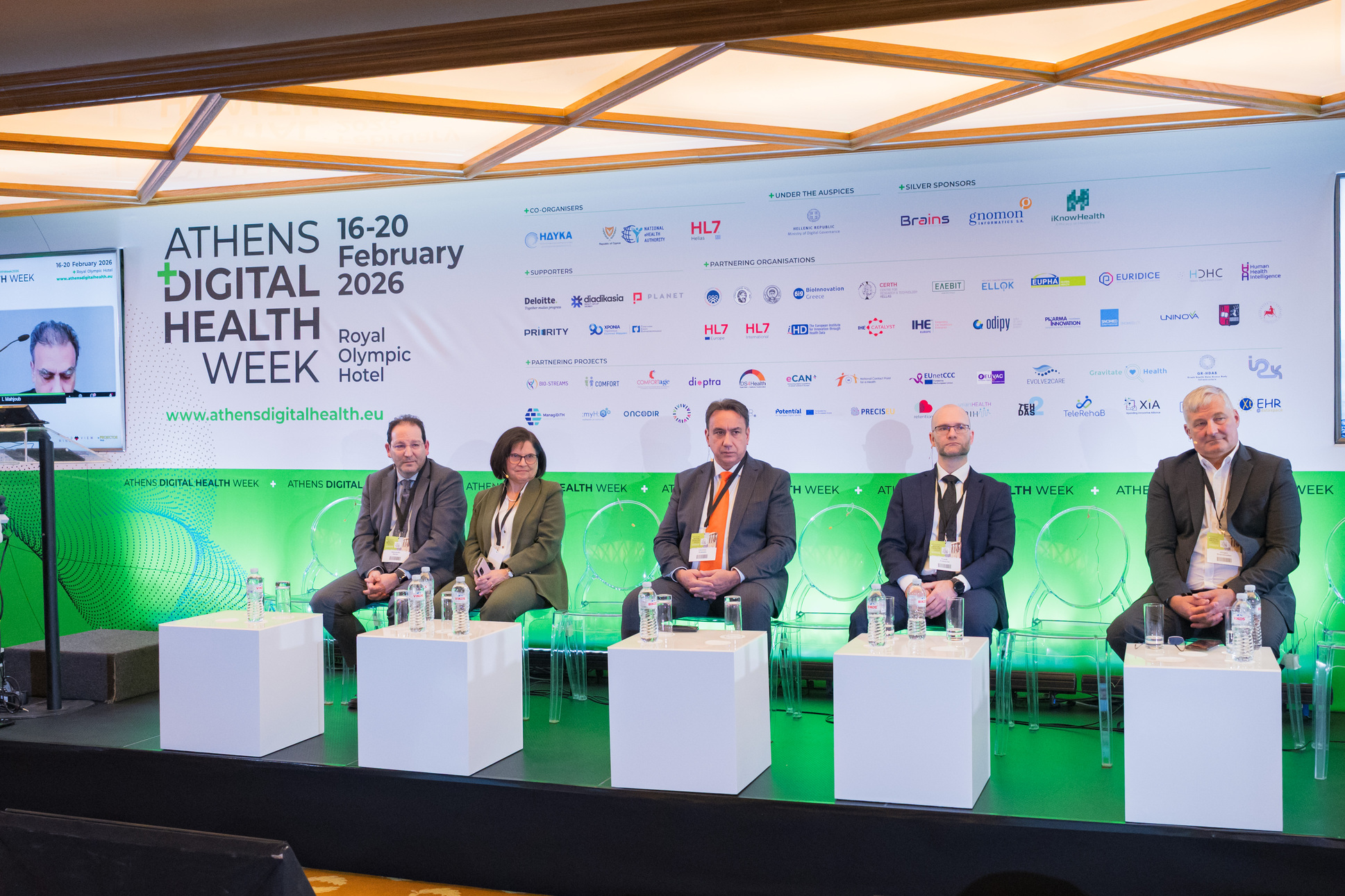
Athens Digital Health Week 2026 was an intense, highly productive, and deeply rewarding experience for attendees. IDIKA Single Member S.A., the Greek e-Government Center for Health and Social Security, was represented at high-level, with the organisation’s executives interacting alongside leading experts who are actively shaping the future of European digital health and declaring themselves impressed by the shared commitment to breaking down silos.
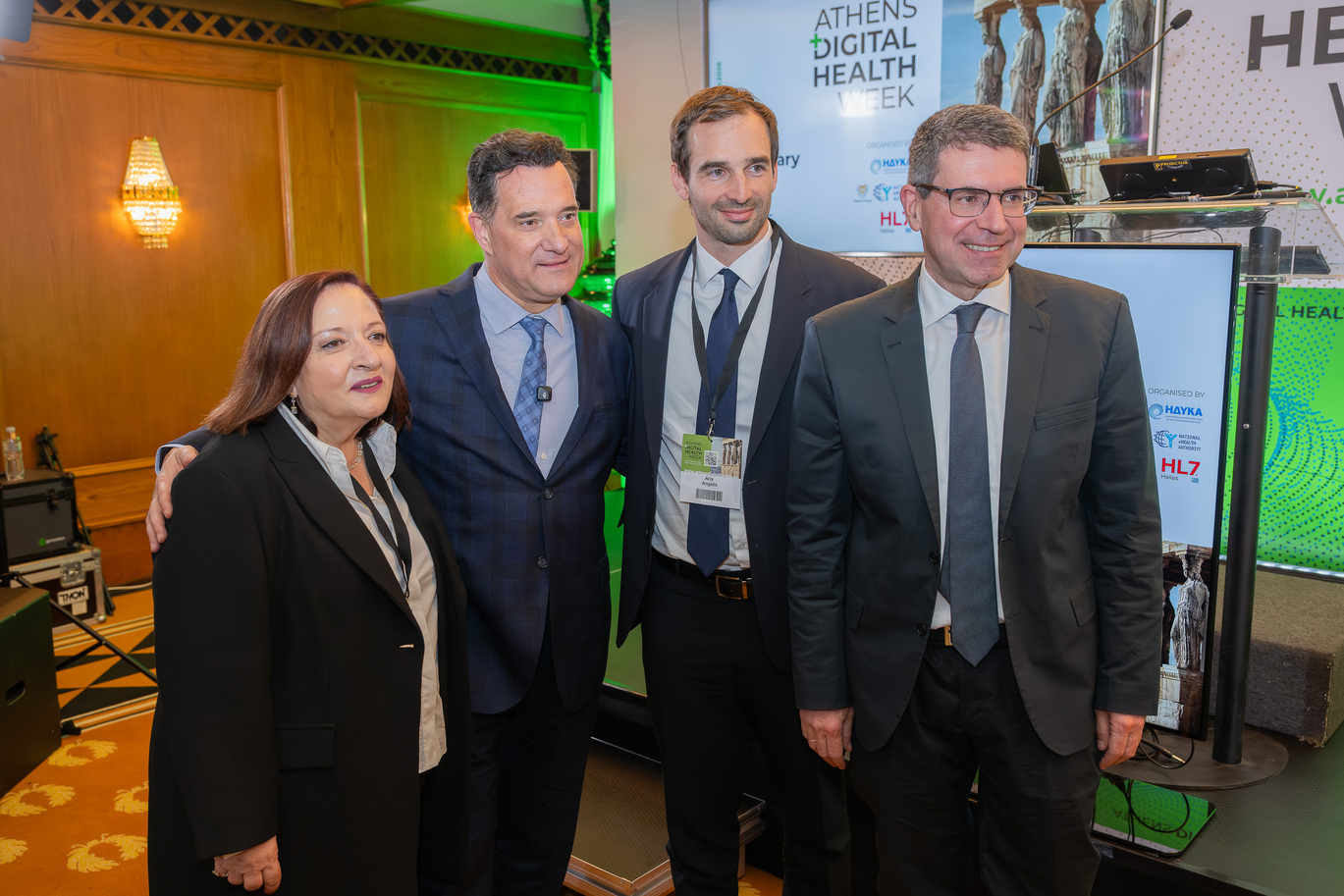
Niki Tsouma, CEO at IDIKA Single Member SA and ADHW 2026 co-chair, welcomed officials and attendees at the event’s official opening; Mrs Tsouma also participated, together with Eirini Agapidaki, Alternate Minister of Health, in a high-level panel discussion on the National Prevention Programmes in Greece. The session, entitled “From Prevention to Knowledge: The Value of Primary and Secondary Public Health & Primary Care Data,” explored the growing importance of health data generated through prevention initiatives. The discussion highlighted how such data can support scientific knowledge generation, real-world evidence, cost-effectiveness analysis, and the development of policies, tools, and services that strengthen Public Health, Primary Healthcare, and the healthcare system as a whole.
Emphasis was placed on IDIKA’s contribution, demonstrating how prevention data can become a strategic asset for reforms, collaboration, research initiatives, and innovative applications—delivering measurable benefits for both citizens and the health system.
On ADHW’s first day, Ioannis Karagiannis, Chairman of the Board of Directors, IDIKA Single Member SA, participated alongside to major Greek health officials and stakeholders in a key panel discussion about the Strategic Dialogue on the Future of Digital Health where the next day after the RRF and the path towards the EHDS were discussed.
Mr Karagiannis later in the week, also talked about the National Digital Health Systems in the context of EHDS Implementation within a session titled “EHDS Implementation Acts in the Making: State of Play and Key Challenges”, which examined where the European Health Data Space (EHDS) stands today and how Member States are engaging with EHDS’s emerging governance structures.
Experiences: A Week of Collaborative Innovation
Throughout the week, IDIKA contributed to several key sessions that highlighted the multi-faceted nature of the digital health transition. On February 17th, IDIKA had a solid presence at the conference:
At the opening session of the day “Beyond the National EHR: Building a High-Quality Health System” aimed at unlocking value from national health data by fully utilizing digital transformation, Elpida Fotiadou, Head of eHealth Horizontal Actions Directorate, IDIKA SMSA, joined the panel of speakers representing Greek stakeholders, to present how IDIKA is “Building on the success of currently implemented digital health transformation projects.” Later in the day, IDIKA was represented at an inspiring panel on Value Based Health Care Networks with an international panel of speakers who discussed how public-private partnerships practically improve patient outcomes.
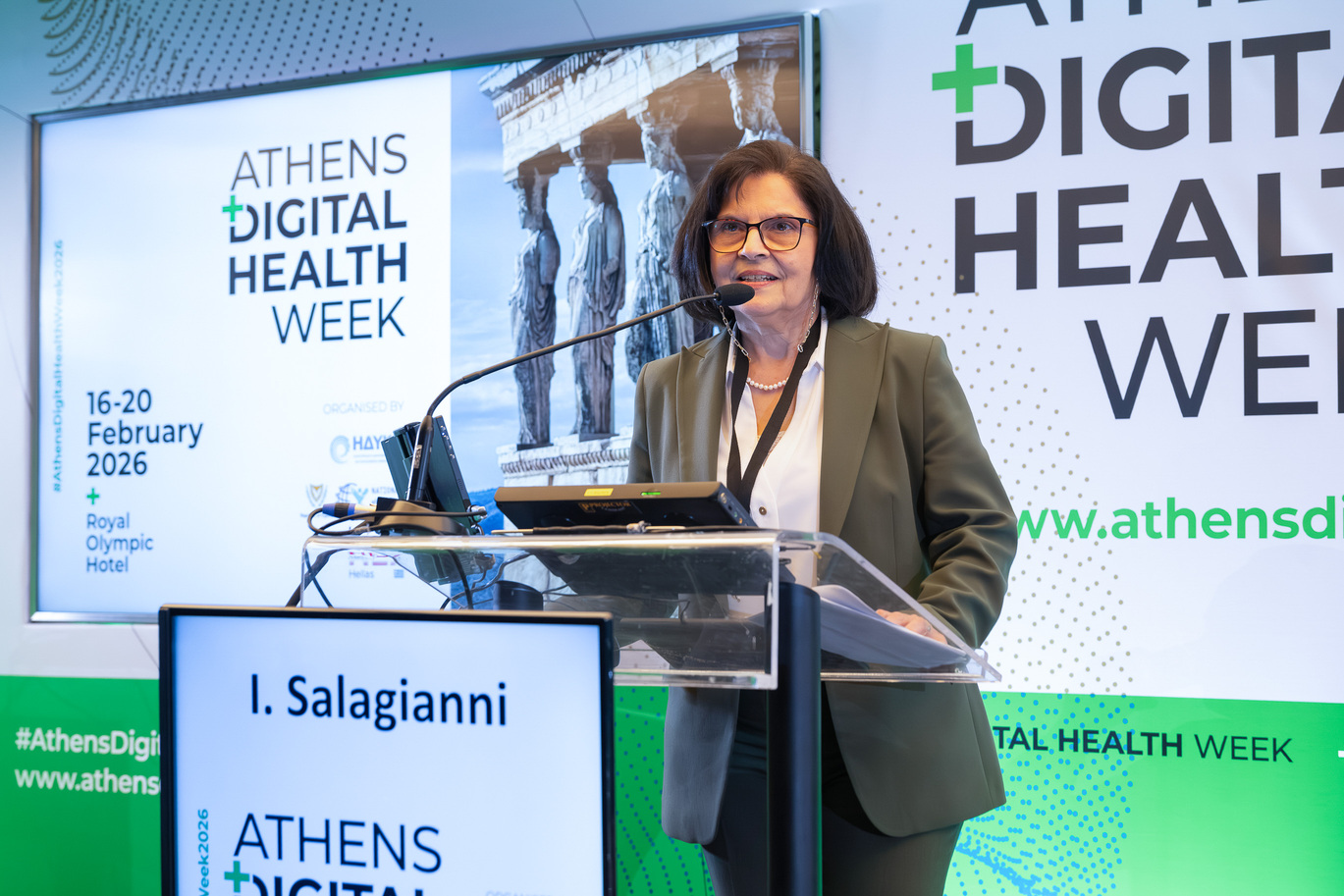
At the workshop “Advancing Digital Health Maturity: From Interoperability to AI-Enabled Care,” Ioanna Salagianni, General Director of Electronic Health, IDIKA SMSA, joined the panel of speakers and presented the current status of Hospital Digital Transformation upscale.
IDIKA also organized a session on Digital Transformation in Health focusing on “The patient journey,” with Ioanna Salagianni, as moderator and rapporteur. Kostas Mathioudakis, Kostas Michalitsis and Alexandros Staridas, all IDIKA executives, covered multiple facets of issues having particular weight for the organization: prevention and Primary Health Care upgrading through digital systems, the digital transformation in Secondary Health Care, and the role of the National Electronic Health Record.
The following day, participants in the CapacityHD Workshop deep dived into modelling sequence diagrams for EHDS Articles 3 & 5, focusing on patient data access and EHR insertion rights and offering a practical perspective on how Member States can operationalize emerging EHDS provisions.
IDIKA’s European projects portfolio with a focus on vaccination
IDIKA SMSA maintained a strong presence across the week’s discussions on interoperability, vaccination data, and wallet-enabled services, including through sessions linked to the organisation’s European project portfolio and cross-border digital health priorities. In this context, at the open session “Digital Vaccination Cards: Handling Immunization Data at the Global Scale,” moderated by Marcello Melgara, Sofia Terzi, Head of the European Programmes Department at IDIKA SMSA, presented “EUVAC as implementor of the vision for a European Digital Vaccination Card.” The session brought together international perspectives on trusted immunization data exchange, including contributions connected to WHO-led global initiatives on immunization credentials, the GDHCN global approach to trusted digital vaccination credentials, and regional experiences in Latin America.
IDIKA also contributed to the open session “New Services for European Citizens: A Multi Project Overview – Wallet & Digital Health Services – Part 1,” co-chaired by Sofia Terzi and Zoltan Lantos. Prominent speakers including Ioannis Asproloupos, Eamonn Coyne, and Klara Jirakova participated in the session and explored the next generation of citizen-centric digital health services, with particular attention to the role of digital identity wallets in enabling trusted cross-border health data exchange.
In addition, IDIKA supported the closed workshop “EUVAC, Xt-EHR & MyHealth@MyHands,” chaired by Sofia Terzi and coordinated by Marcello Melgara, which focused on the development and testing of an IHE-testable European Digital Vaccination Card integrated into a digital wallet. The workshop provided a focused setting for technical and policy discussions on how vaccination history services, interoperability frameworks, and digital identity infrastructures can converge to support future EHDS-aligned services and reusable cross-border solutions.
New Services for European Citizens
The highlight of the week, however, was IDIKA’s participation in the “New Services for European Citizens: A Multi Project Overview” session. Ioannis Asproloupos, Coordinator of Hellenic National Contact Point for e-Health, Head of Development Department, Directorate of Horizontal e-Health Actions, DG e-Health at IDIKA SMSA, co-presented alongside esteemed colleagues and eHMSEG Chairs, while the session explored the evolution of MyHealth@EU and the vital role of projects like Gravitate-Health in ensuring patient safety.
Outputs: One Ecosystem, Not Two Stacks
Ioannis Asproloupos at his presentation, “Interconnecting Ecosystems: IDIKA – MyHealth@EU – EHDS,” outlined how IDIKA is orchestrating Greece’s transition to EU-level interoperability through an integrated portfolio of initiatives, including ELLENA, EUVAC, Xt-EHR, i2X, xShare, Potential, myHealth@myHands, GR-HDAB, and TEHDAS2.
A core output of IDIKA’s current work —and a central point of the presentation— is that secondary data use (EHDS) and primary use (MyHealth@EU) are not parallel, independent tracks requiring separate infrastructure. The organisation is actively bridging operational cross-border care and EHDS secondary use readiness without building parallel IT stacks.
IDIKA operates on a simple principle: “Reuse is the multiplier.” Shared tooling, validation pipelines, and semantic governance mean that each new service costs less to certify and maintain. By reusing FHIR profiles and semantic assets built for primary use directly for secondary use via GR-HDAB, duplication is eliminated and a self-reinforcing quality loop is created. Ultimately, the high-quality, structured datasets powering EHDS research are the exact same datasets exchanged in cross-border primary care. Primary use quality is secondary use quality.
Expectations about the Future: Convergence and the Plugathon
Looking ahead, IDIKA’s greatest expectation is a seamless transition from voluntary participation to the mandatory EHDS framework. As primary-use services are scaled —expanding beyond Patient Summaries to include laboratory results, hospital discharge reports, imaging, and vaccination histories (EUVAC)— the organisation is moving toward a reality where citizens can securely carry verified health credentials in their European Digital Identity (EUDI) Wallets.
The immediate milestone on this horizon is the upcoming IHE Plugathon. IDIKA anticipates that this will not merely be a connectivity demo, but a rigorous conformance and interoperability stress test. The organisation looks forward to validating end-to-end primary-use scenarios and agreeing on reusable, shared artifacts that all Member States can carry forward into production readiness.
IDIKA SMSA, the Greek e-Government Center for Health and Social Security, is truly proud of its team for co-organizing this success alongside the National eHealth Authority Cyprus and HL7 Hellas and looks forward to driving the digital health transformation even further.